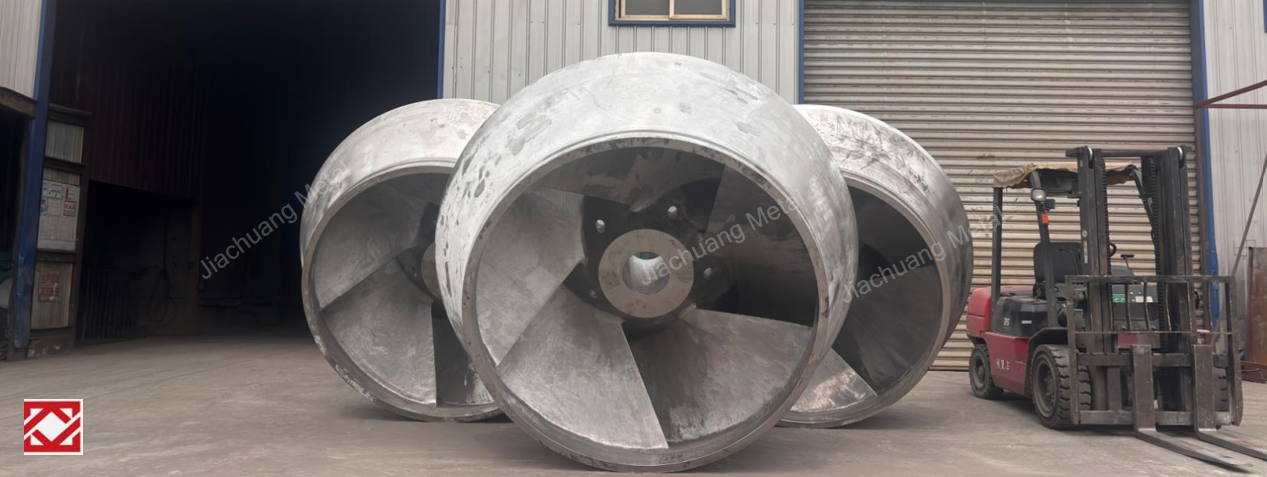

The Concrete Volute Pump (CVP) is a vertical centrifugal pump specifically designed for high-flow, low-head operating conditions. Its core feature is that the pump casing (volute) is directly cast in place using reinforced concrete during the station's civil construction, with only the rotating components such as the impeller and shaft system being replaceable metal structures.
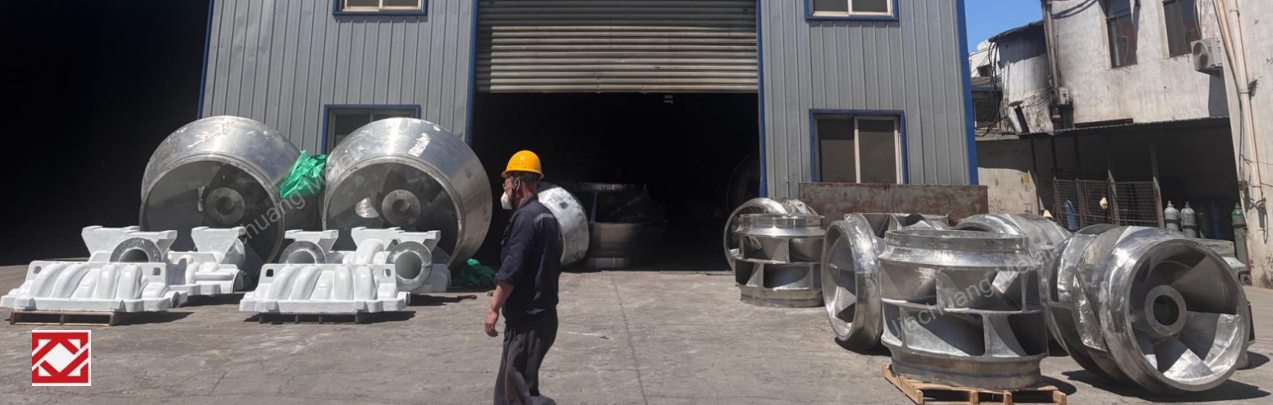
Structure and Principle: During operation, the motor drives the impeller to rotate, and the liquid is flung toward the outer edge of the impeller by centrifugal force and high-speed enters the spiral concrete volute. The volute flow passage cross-section gradually expands from the impeller outlet to the discharge port, reducing the liquid flow velocity and converting kinetic energy into pressure energy, thereby achieving water conveyance. It adopts a short-shaft design where the shaft does not contact the water body, with the lower part protected by a shaft sleeve and the upper part exposed to air, fundamentally avoiding issues of shaft corrosion and vibration
Performance parameters: The designed specific speed typically ranges from 250 to 450, with a flow rate coverage of approximately 3 to 50 m³/s (large units can exceed 115,000 m³/h). The head generally falls between 5 to 40 meters, and the overall efficiency usually surpasses 90%.
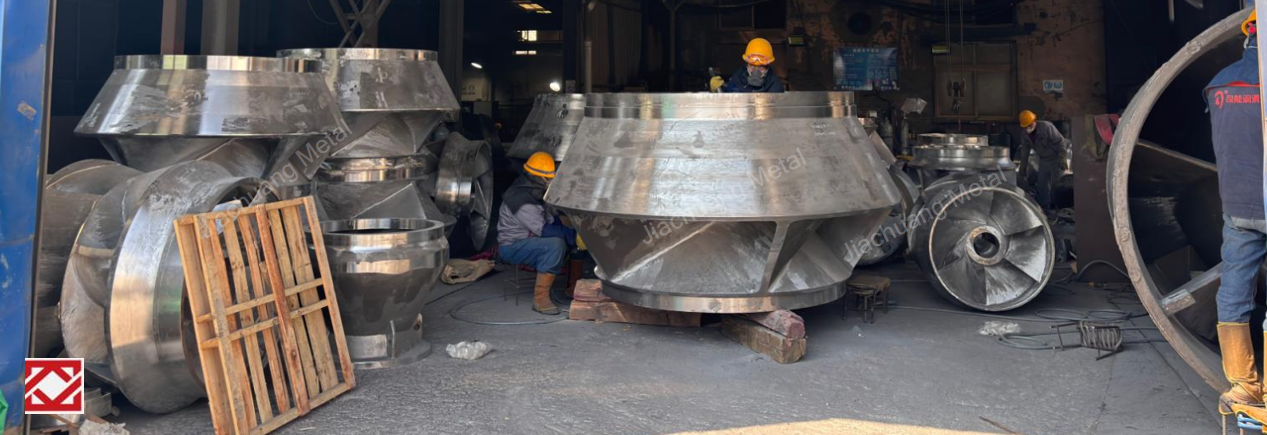
Main applications: Due to its robust structure, corrosion resistance (especially seawater resistance), low noise and vibration, and long service life (key components can operate continuously for 5-7 years without replacement), it is widely used in scenarios such as circulating water cooling for nuclear power plants/thermal power stations, large-scale coastal hydraulic engineering projects, municipal water supply, flood control and drainage, as well as seawater desalination water intake.
Core component material: The impeller, as the sole core rotating working component, is typically made of highly corrosion-resistant duplex stainless steel, high-nickel cast iron, or bronze. It often features a rear sealing ring and balance holes to reduce axial thrust and is mounted on a short shaft via tapered holes or flanges for easy maintenance and disassembly