

In chemical processing and wastewater treatment systems, pumps do much more than move fluids from one point to another. They directly affect overall system stability, operational safety, and long-term maintenance costs. When handling media that contain solid particles, corrosive liquids, high-viscosity fluids, or crystallizing substances, the choice of impeller structure plays a critical role in equipment reliability.
Compared with closed impellers, open designs offer stronger adaptability in demanding operating conditions. In many real-world projects, selecting the right structure can significantly reduce downtime and unexpected maintenance.
Structural Features of Open Impellers.
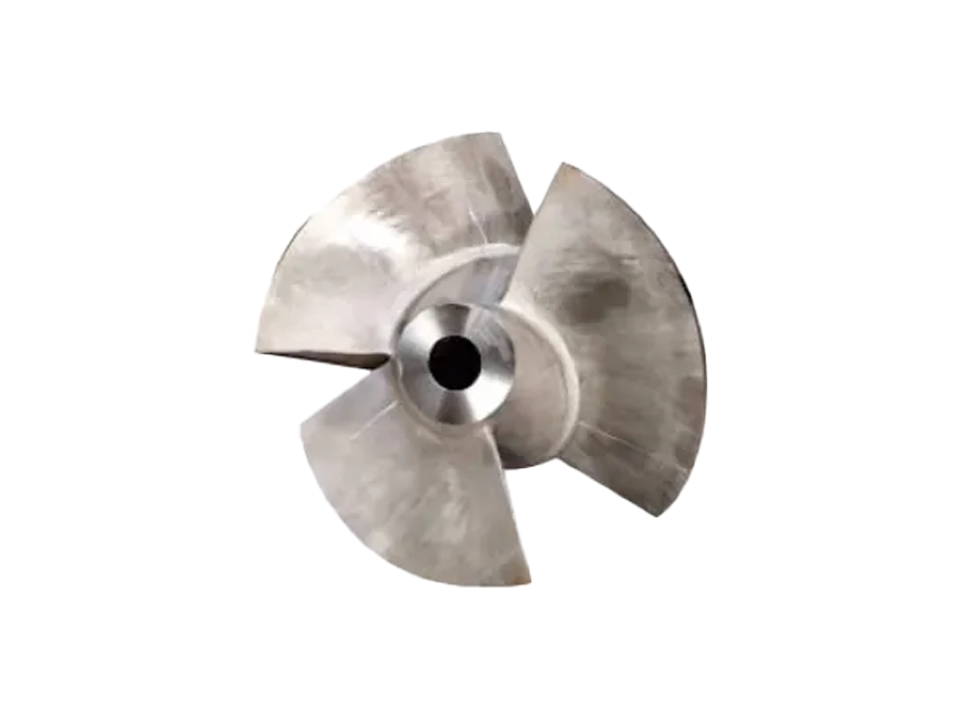
The key characteristic of an open impeller is the absence of front and rear shrouds. The vanes are exposed directly to the flow path, creating a wider and less restrictive passage for the fluid. This design reduces the risk of particle buildup and fiber entanglement, which is especially important when handling media with suspended solids or impurities.
Because of its simplified structure, maintenance is also easier. When inspection or cleaning is required, technicians can access the flow area without complex disassembly, minimizing shutdown time.
Our Cast Stainless Steel Pump Impeller is manufactured using stainless steel to balance corrosion resistance and mechanical strength. This makes it suitable for acids, alkalis, saline solutions, and certain organic solvents commonly found in chemical and wastewater applications. The casting process ensures structural integrity while maintaining dimensional consistency.
Advantages in the Chemical Industry.
Chemical processes often involve aggressive fluids, abrasive particles, and continuous operation. Pumps in these environments must maintain performance without frequent failures.
Open impellers provide several practical advantages:
1.Resistance to corrosive environments.
Stainless steel materials help resist chemical attack, reducing the risk of premature failure.
2.Improved handling of crystallizing or particle-containing media.
The open flow path allows solids to pass through more easily, minimizing clogging and internal buildup.
3.Simplified maintenance.
Chemical plants often operate around the clock. A design that reduces service time helps control operational costs.
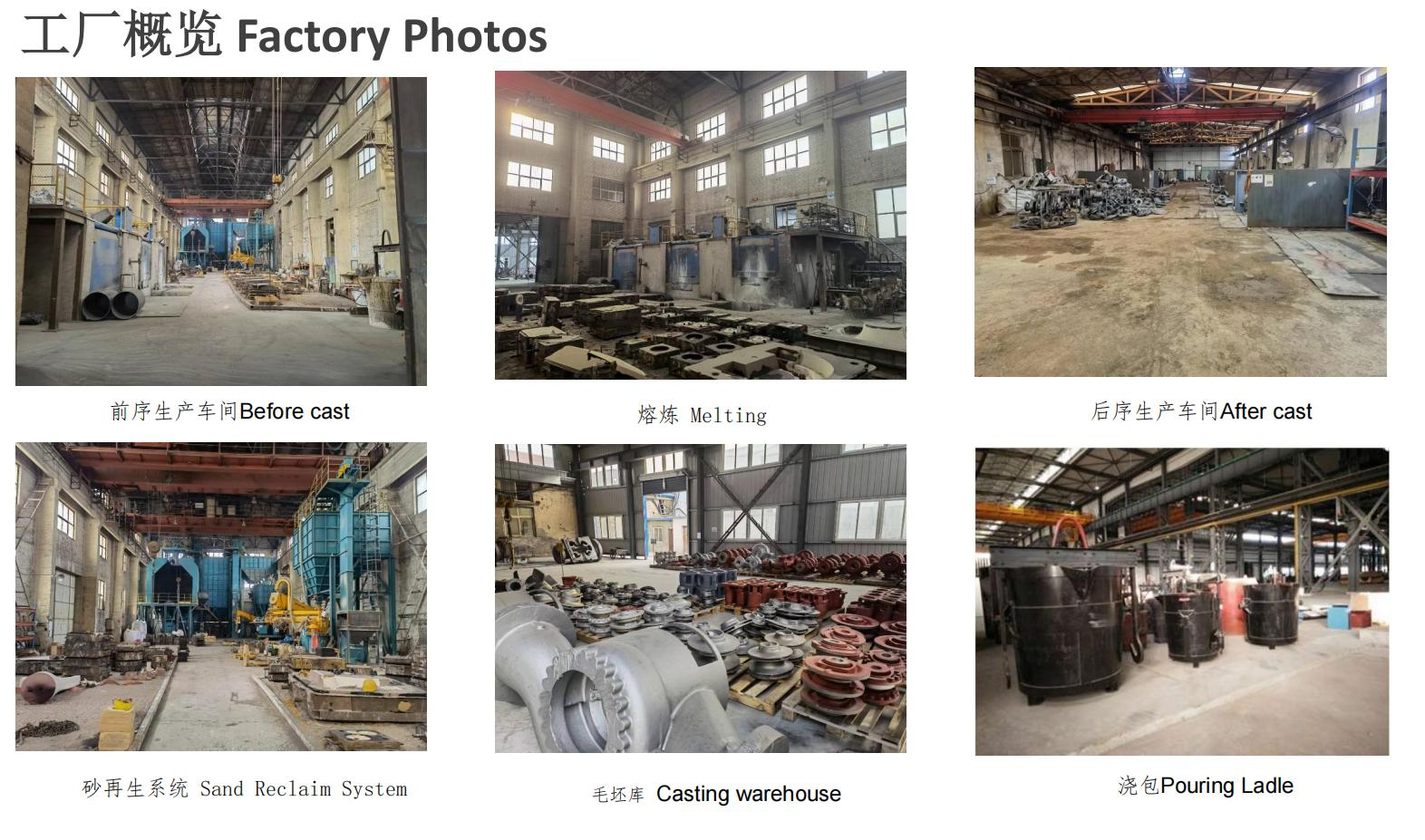
In production, we manufacture the Cast Stainless Steel Pump Impeller using sand casting. This method allows flexibility in size and geometry, making it possible to customize vane angles, thickness, and flow channels based on specific pump models and working conditions. Proper structural optimization supports both hydraulic efficiency and mechanical durability.
Advantages in Wastewater Treatment.
Wastewater systems typically deal with sludge, sand, fibers, and other suspended solids. Under these conditions, impeller blockage is a common issue with enclosed designs.
Open impellers are widely used in:
1.Anti-clogging applications.
The open structure reduces solid retention areas and improves passage capability.
2.High-solid and sludge transfer systems.
In sludge lifting stations and sedimentation tank circulation, performance stability is essential.
3.Stable long-term operation.
A simplified internal structure reduces imbalance caused by material accumulation.
For these environments, a properly engineered Cast Stainless Steel Pump Impeller can offer consistent performance while maintaining corrosion resistance in chemically treated wastewater. The combination of material strength and open-channel design supports reliable operation in demanding municipal and industrial facilities.
The Impact of Casting Quality on Performance.
Impeller performance depends not only on design but also on manufacturing quality. Sand casting is well suited for stainless steel impellers because it accommodates a wide range of sizes and custom configurations. It is especially effective for projects requiring non-standard dimensions or specific structural adjustments.
We support drawing-based production and application-based design optimization. Each Cast Stainless Steel Pump Impeller can be manufactured according to actual working conditions, ensuring compatibility with chemical and wastewater systems that require corrosion resistance, durability, and stable performance.
Choosing the right impeller structure and material is essential for ensuring long-term pump reliability. In chemical processing and wastewater treatment, where media are often complex and aggressive, open impeller designs provide practical advantages in clog resistance, maintenance efficiency, and operational stability.
With stainless steel construction and adaptable sand casting production, properly engineered impellers can meet the real demands of industrial applications while supporting safe and efficient system operation.