

In industries such as fine chemicals, petrochemicals, energy, and metallurgy, chemical pumps often operate under high temperatures and highly corrosive conditions for long periods of time. When leakage, corrosion, or structural damage occurs, many operators instinctively choose to replace the entire pump.
However, compared with a full pump replacement, selecting a cast pump cover that truly matches the operating conditions can significantly extend service life while reducing downtime and maintenance costs.
Why the Pump Cover Is Often the First Point of Failure?
The pump cover is responsible for sealing, pressure containment, and isolating the process medium. It is also one of the first components to be exposed directly to corrosive fluids. Under high-temperature and aggressive chemical environments, any weakness in material selection, casting quality, or structural design can quickly lead to failure.
Common issues include sealing surfaces corroding or deforming, resulting in frequent leakage; insufficient wall thickness causing cracks under thermal stress or pressure fluctuations; and internal casting defects gradually developing into structural damage. Once these problems appear, production usually has to stop, even if the rest of the pump remains in good condition.
In many real-world cases, the issue is not the pump itself, but an improperly selected chemical pump cover.
What Sand Casting Means for Chemical Pump Applications.
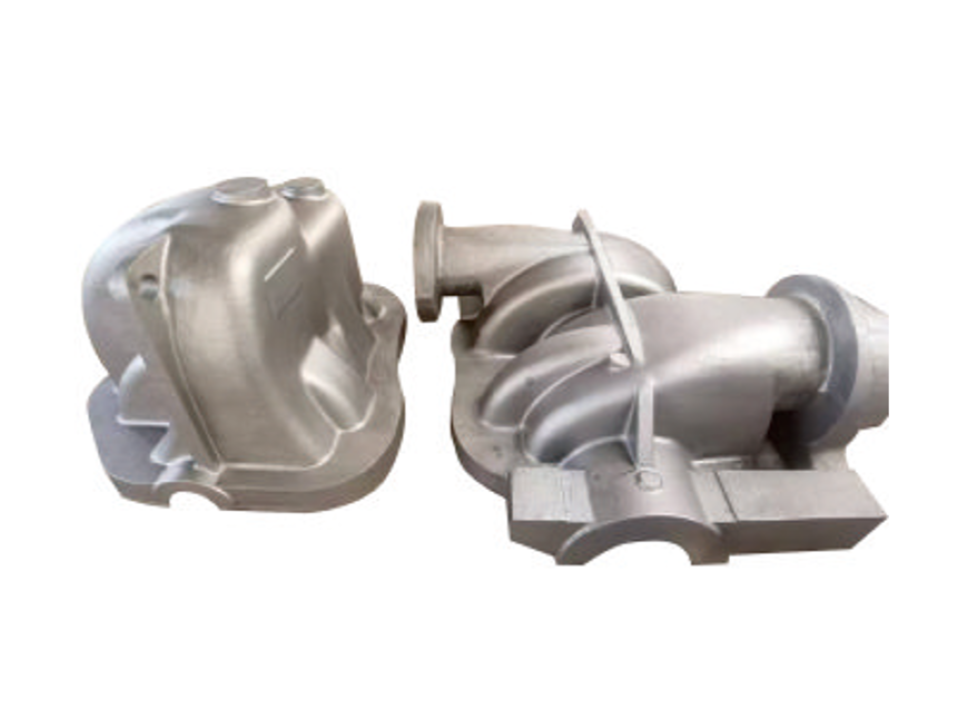
Sand casting remains one of the most widely used and reliable processes for manufacturing chemical pump covers. Its main advantage lies in its flexibility in structural design, making it suitable for large dimensions, complex geometries, and non-standard configurations.
For high-temperature and corrosive applications, sand casting allows better control over wall thickness distribution and structural strength when process parameters are properly managed. This ensures that the pump cover can withstand both mechanical loads and long-term chemical exposure, rather than simply meeting nominal design requirements.
Material Selection Is More Than “Good Enough”.
In strongly corrosive environments, austenitic stainless steel is a common and proven choice for pump covers due to its excellent corrosion resistance and stable performance at elevated temperatures.
That said, different media, temperature ranges, and operating modes place very different demands on materials. Selecting materials based solely on standard grades or price often leads to components that perform well in the short term but fail prematurely in actual service.
Our cast pump covers are selected and designed based on real operating conditions, including media characteristics and temperature profiles. By matching material choice with structural design, each chemical pump cover can deliver more reliable and predictable performance over time.
Replacing Pumps Repeatedly Is a Costly Shortcut.
Frequent pump replacement increases procurement costs and introduces additional risks such as extended downtime, installation time, and production interruptions. In contrast, optimizing the pump cover through proper casting design and material selection can often improve system reliability without modifying the entire pump assembly.
In many applications, failures are not caused by the pump itself, but by a pump cover that was never designed specifically for the operating environment.
Custom Pump Covers Are a Practical Industry Need.
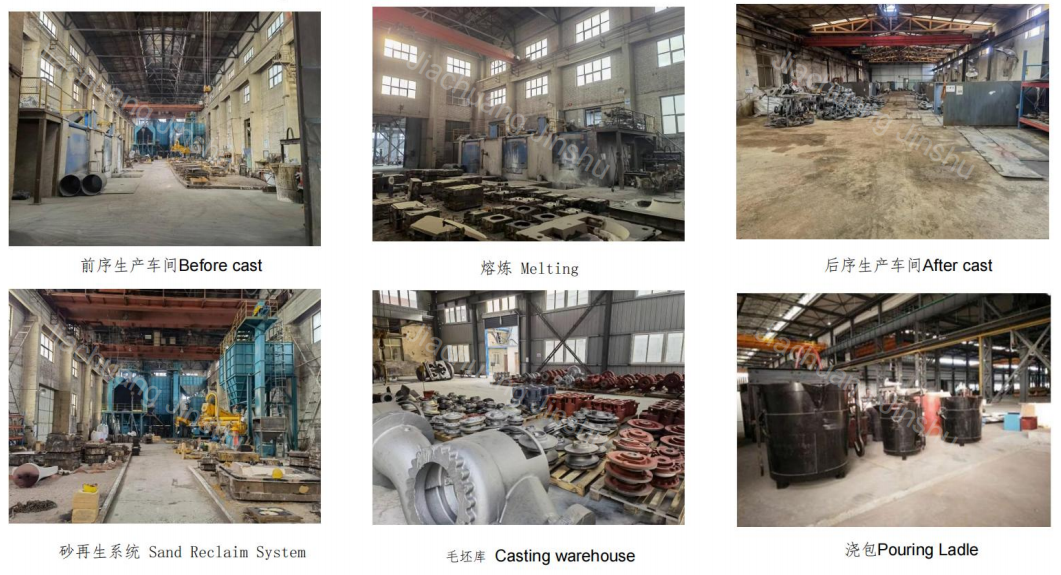
In fine chemical, petrochemical, and metallurgical applications, standard products rarely cover all operating scenarios. Drawing-based customization and non-standard manufacturing have become common practice for chemical pump components.
By tailoring structure, wall thickness, material, and machining methods to specific conditions, a pump cover can truly match the system it serves. If you are looking for a reliable casting solution for a chemical pump cover or need drawing-based or non-standard manufacturing support, you are welcome to share your operating conditions with us. We can provide targeted production solutions based on real application requirements.