

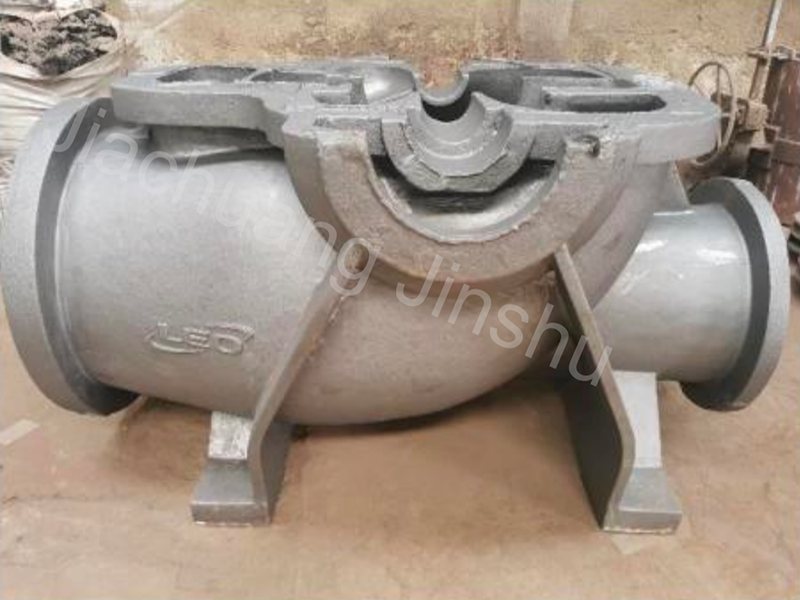
The pump casing is a critical component of the pump body. It handles pressure from fluid flow and ensures stable pump operation. In industrial pump systems, the material chosen for the pump casing directly affects performance, service life, and maintenance costs. This choice becomes even more important in environments involving high temperatures, high pressures, corrosive fluids, or abrasive media.
Common pump casing materials include cast steel, cast iron, copper alloys (like bronze), aluminium alloys, and others. Each has its own strengths and best use cases.
Key features and advantages of cast steel pump casings (Pump casing casting):
1. High strength and toughness.
Pump casing casting made from cast steel offers excellent strength and toughness. They handle heavy loads, high pressures, and elevated temperatures well, making them ideal for demanding industries like chemical processing, oil and gas, and mining. Compared to cast iron, cast steel has better ductility, which helps prevent brittle failure.
2. Good wear resistance.
In long-running operations or when pumping high-velocity fluids, Pump casing castings maintain strong resistance to wear. This reduces material loss over time and extends the equipment's overall service life.
3.Versatile for a wide range of conditions.
Our Pump casing can use different alloy grades to match specific operating environments, delivering reliable performance from standard conditions to high temperatures (up to +425°C) and low temperatures (down to -46°C).
4. Excellent manufacturability.
We produce Pump casing casting using sodium silicate, sand casting, and resin sand casting processes. These methods allow precise creation of complex shapes, meeting tight tolerances while maintaining high efficiency and consistent quality.
Comparison with other common pump casing materials.
Pump casing casting (cast steel) vs. copper alloys (e.g., bronze):
1. Corrosion resistance.
Copper alloys perform well in seawater or strongly acidic conditions, so they're commonly used in desalination, chemical processing, and marine applications. However, their strength and wear resistance are generally lower than that of cast steel, especially under high pressure or high temperature. Pump casing handles these tougher conditions better over extended periods.
2. Strength and toughness.
Cast steel far outperforms copper alloys in strength and toughness, making it suitable for high-pressure and high-flow scenarios. Copper alloys can be more brittle and struggle in heavy-duty applications, giving cast steel a clear edge in industries like oil, gas, and petrochemicals.
3. Cost and applicability.
Copper alloys tend to cost more and are best reserved for specialised corrosion-resistant needs. Pump casing casting offers better overall value and suits a much broader range of industrial uses.
Pump casing casting (cast steel) vs. aluminum alloys:
1. Weight.
Aluminium alloys are much lighter than cast steel, which makes them attractive for applications where reducing equipment weight matters, such as lightweight pumps or aerospace-related systems. But in high-pressure or high-temperature scenarios, aluminium alloys lack the necessary strength and durability—Pump casing castings perform far better here.
2. Strength and durability.
Aluminum alloys have lower strength than cast steel and typically can't handle heavy loads or high pressures. Their properties also drop noticeably at elevated temperatures. Cast steel provides superior strength and heat resistance, offering greater reliability where toughness is critical.
Pump casing casting (cast steel) vs. high-performance ceramics:
1. Wear resistance.
Ceramics excel in hardness and can resist extreme abrasion, but their brittleness makes them prone to cracking under impact or vibration. Pump casing castings strike a better balance, delivering solid wear resistance while staying durable in tough, real-world conditions.
2. Strength and toughness.
High-performance ceramics offer high hardness but poor toughness—they fracture easily under pressure or shock loads. Pump casing casting provides higher compressive strength and good ductility, ensuring long-term reliability in complex or variable operating environments.
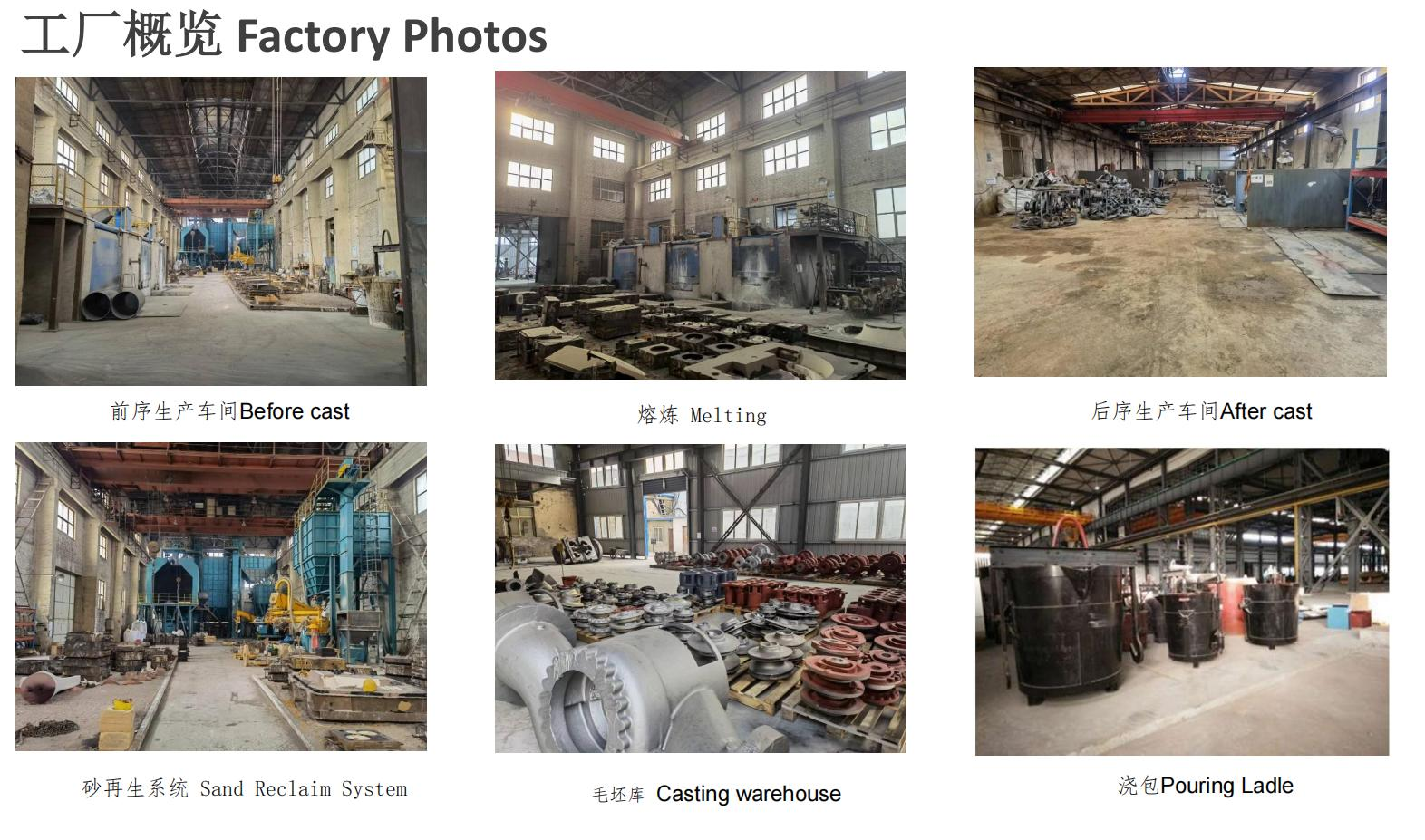
As a specialised steel casting and machining company, we select the right pump casing material based on your actual application, operating conditions, and requirements:
High-temperature applications: Alloy steels such as ASTM A217 WC6 or WC9 for oxidation resistance and heat endurance.
Low-temperature applications: Low-temperature steels like ASTM A352 LCB or LCC for reliable performance in cold conditions.
Standard/general applications: Carbon steels like ASTM A216 WCB or WCC meet the needs of most industries effectively.
This approach ensures the best balance of performance, longevity, and cost for your specific needs.