

Sand casting guide vanes in turbine pump systems play a crucial role in directing fluid flow, affecting both the stability of the pump and its overall energy efficiency. In industries with high-performance requirements, the guide vanes need to offer excellent durability and fluid dynamic performance.
Key Requirements for Sand Casting Guide Vanes in Turbine Pumps.
The design of the sand casting guide vane must ensure sufficient mechanical strength and corrosion resistance while withstanding the high temperature and pressure that come with long-term operation. In applications like seawater desalination, the vanes are exposed to corrosive environments, making them vulnerable to wear and corrosion. To improve durability and efficiency, it’s essential to optimize design, material choice, and manufacturing processes.
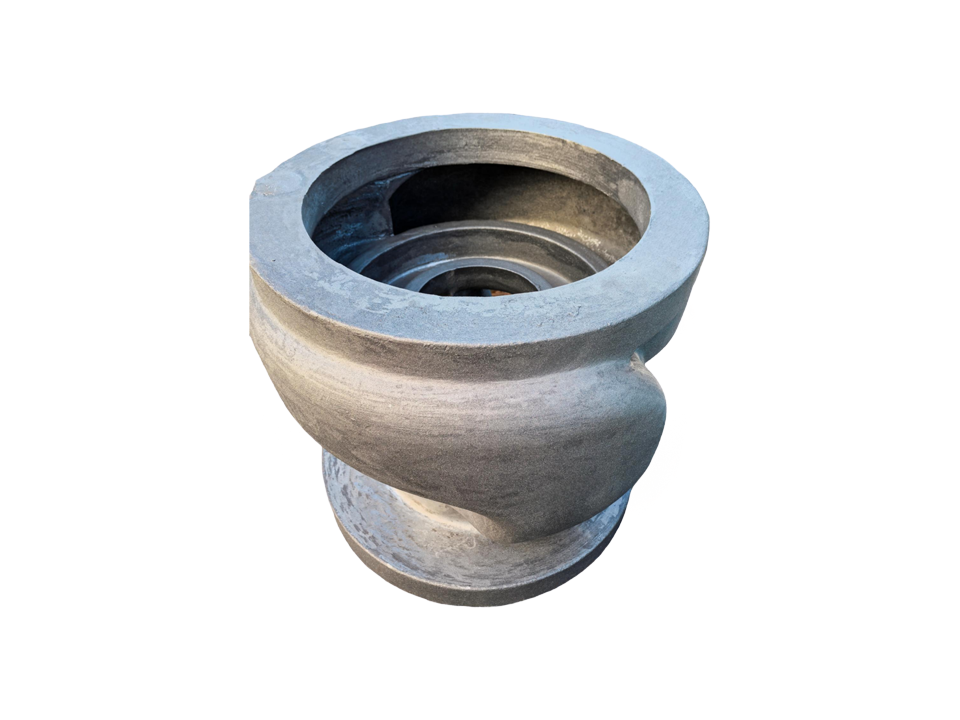
Methods to Enhance the Durability of Sand Casting Guide Vanes.
· Material Optimization.
The first step in enhancing the durability of guide vanes is choosing the right material. In high-temperature, high-pressure, and corrosive environments, the material used for the vanes is critical. By using heat-resistant and corrosion-resistant alloys, the lifespan of the vanes can be significantly extended.
· Surface Treatment Technology.
Another effective way to improve durability is through surface treatment technologies. Techniques such as heat treatment, spraying, and laser cladding can increase the hardness and corrosion resistance of the guide vanes. For example, chrome or nickel coatings can improve wear resistance, reducing wear from friction. In seawater desalination, petrochemical, and other industries with corrosive media, these coatings are especially beneficial in preventing rapid degradation of the vanes.
· Advanced Casting Techniques.
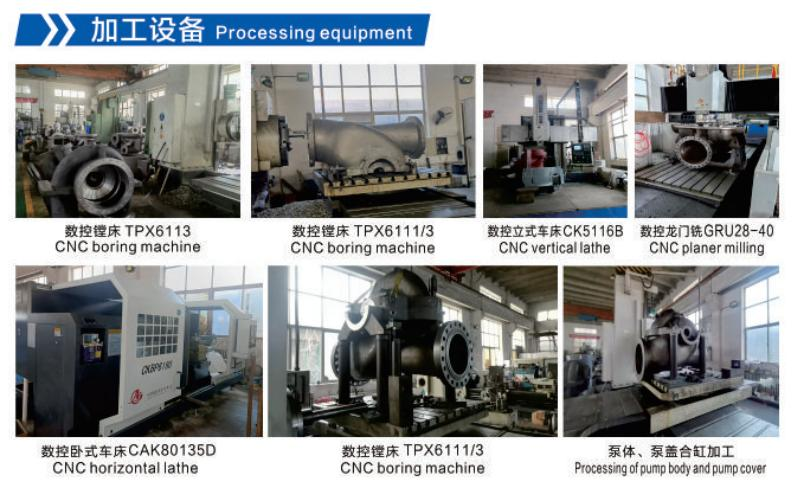
The quality of the sand casting guide vane directly affects the pump system's performance. Using advanced casting techniques like precision casting or sand mold casting can result in smoother surfaces, reducing casting defects like pores and cracks that may negatively impact performance. As a company that customizes turbine pump guide vanes based on customer needs, we provide professional casting solutions tailored to specific operating conditions, ensuring vane quality meets application requirements.
Methods to Improve the Efficiency of Sand Casting Guide Vanes.
· Fluid Dynamics Optimization.
To enhance the efficiency of turbine pump guide vanes, fluid dynamics performance needs to be optimized. Through simulations, the vane shape can be adjusted to find the optimal flow path for fluid across the vane surface. This reduces flow resistance and energy loss. Streamlined vane designs help fluid pass through more smoothly, improving the guide vane efficiency and the overall pump performance.
· Improved Surface Smoothness.
The smoothness of the vane surface directly influences the pump's efficiency. Smoother surfaces reduce friction between the fluid and the vane, leading to lower energy consumption and better efficiency.
· Optimization of Vane Angle and Layout.
Optimizing the angle and arrangement of the guide vanes helps minimize energy loss during fluid flow. For instance, adjusting the vane angle and spacing appropriately can reduce unnecessary turbulence inside the pump casing, improving fluid flow stability and pump efficiency.
Enhancing the durability and efficiency of sand casting guide vanes in turbine pumps is a comprehensive process that requires optimization of materials, processes, and design. As a company specializing in customized turbine pump guide vanes, we continue to refine our casting techniques to improve vane performance and provide more efficient, durable solutions for various industries.