

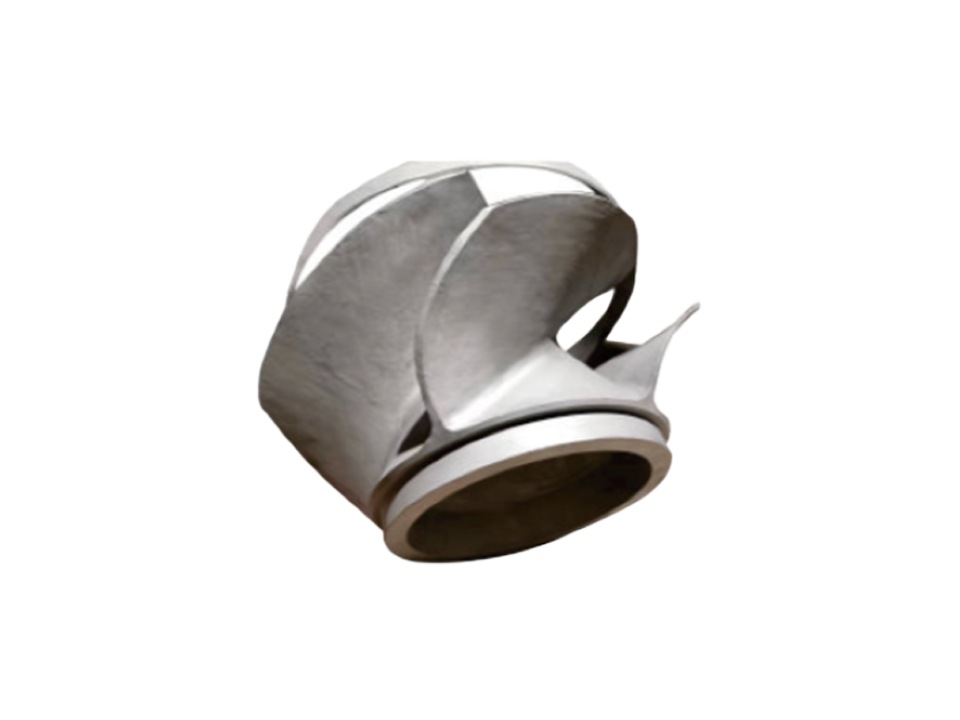
A stainless steel casting impeller is the core component of centrifugal pumps and large conveying equipment. Its quality and lifespan directly affect operational efficiency, stability, and maintenance costs. For buyers, choosing a high-performance, durable impeller ensures long-term stable operation while reducing downtime and replacement frequency. So, how can you judge the quality and lifespan of a stainless steel casting impeller? Here are some key factors to consider.
Material and Corrosion Resistance:
A high-quality stainless steel casting impeller should have excellent corrosion resistance, oxidation resistance, and high-temperature stability to handle acidic, alkaline, saline, or particulate-laden fluids. When sourcing impellers, pay attention to:
Material standards: Is it made from austenitic stainless steel (such as 304, 316, or 316L) or other high-performance alloys? Are material certificates or test reports available?
Corrosion resistance: Can it maintain structural integrity in acidic, alkaline, or high-temperature environments without rusting or local corrosion?
Lifespan: The material’s inherent corrosion resistance and strength determine the long-term service life of the impeller.
At Dalian Jiachuang Metal Manufacturing Co., Ltd., our stainless steel casting impellers are made from premium austenitic stainless steel, offering high corrosion and oxidation resistance. They perform reliably in power, petrochemical, and other demanding environments, reducing replacement frequency and extending equipment lifespan.
Casting Process and Machining Accuracy:
The casting process directly affects the impeller’s geometric precision, dynamic balance, and hydraulic performance. The shape and layout of the blades determine pump or conveyor efficiency, vibration levels, and noise. Key considerations include:
Casting method: Precision casting, sand casting, or centrifugal casting — different processes impact accuracy and surface quality.
Dimensional accuracy and dynamic balance: Has the impeller been dynamically balanced? Does it meet design tolerances to minimize vibration and blade wear?
Surface finish: A smooth blade surface improves fluid transfer efficiency and reduces wear.
Wear Resistance and Strength:
During operation, a stainless steel casting impeller is subjected to centrifugal forces and fluid erosion, especially when transporting abrasive or particle-laden media. Its wear resistance and structural strength largely determine its lifespan. Buyers should evaluate:
Blade thickness and structure: Are the blades uniform and structurally sound to withstand long-term erosion?
Material hardness: Higher hardness usually means better wear resistance.
Operational suitability: Can it handle continuous operation, high temperatures, high flow, high head, or abrasive/corrosive media?
Our impellers at Dalian Jiachuang Metal Manufacturing Co., Ltd. can be custom-designed to meet client-specific conditions. Blade number, layout, and dimensions can be optimized to handle high-flow transport and various types of media.
Inspection and Quality Assurance:
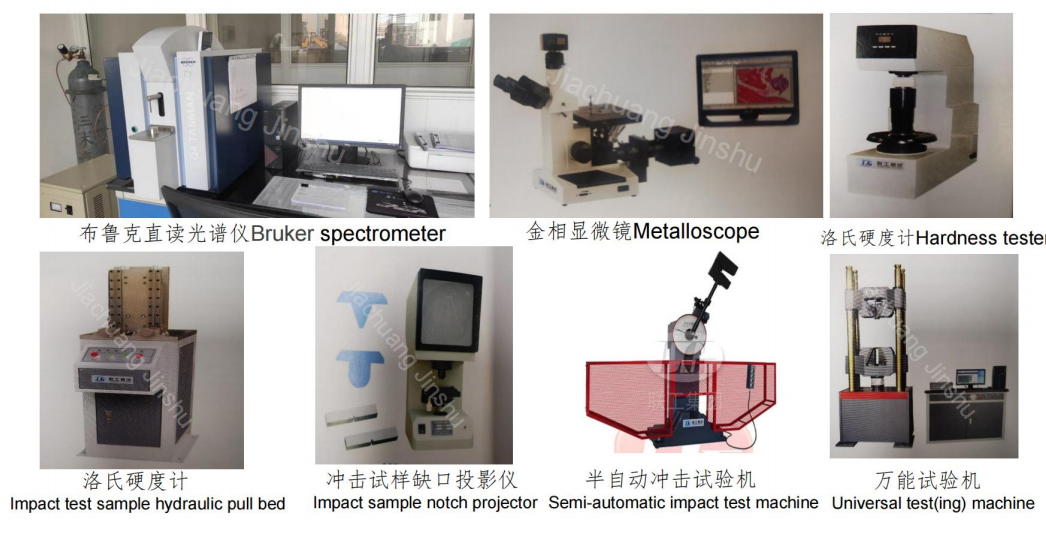
A durable impeller must undergo strict inspections before leaving the factory, including material composition analysis, hardness testing, dynamic balance checks, and necessary radiographic or ultrasonic testing. Consider the following when sourcing:
Quality standards: Are material certificates, test reports, or third-party inspection results provided?
Performance validation: Has the impeller been tested for flow, head, and vibration?
Custom matching: Can the supplier provide professional assessment and design adjustments based on pump parameters and fluid characteristics?
Dalian Jiachuang Metal Manufacturing Co., Ltd. offers fully customized stainless steel casting impellers along with technical guidance. We can optimize blade number, layout, and dimensions according to pump parameters and media type and provide inspection reports to ensure the impeller meets operational requirements.