
23th Mar.2026
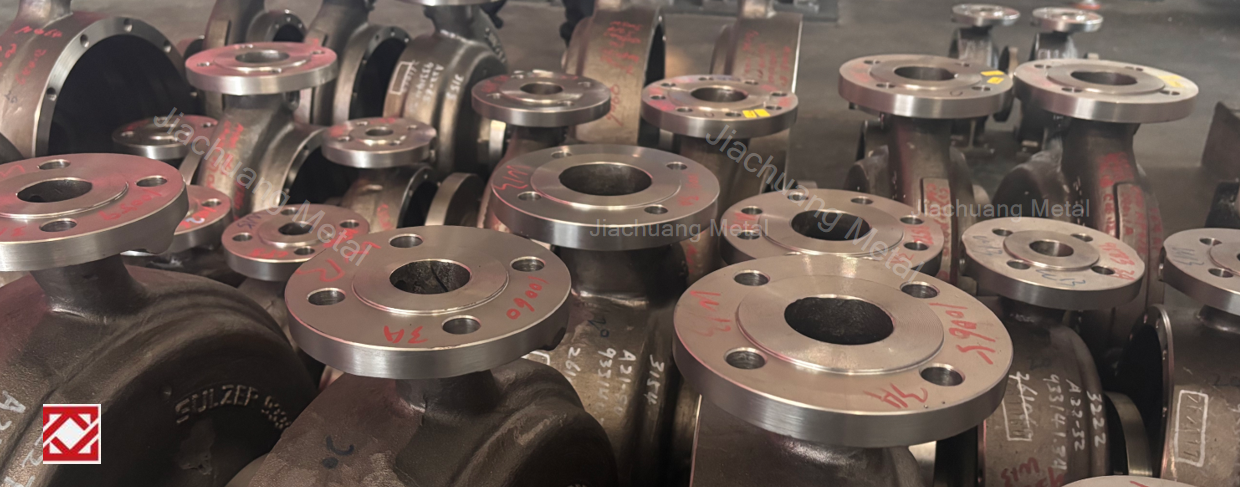
As the "heart" of industrial fluid transportation, the performance and lifespan of a centrifugal pump largely depend on the quality of its core component—the pump casing/volute. The pump casing not only withstands fluid pressure, corrosion, and erosion but also plays a crucial role in converting the kinetic energy generated by the impeller into static pressure energy.
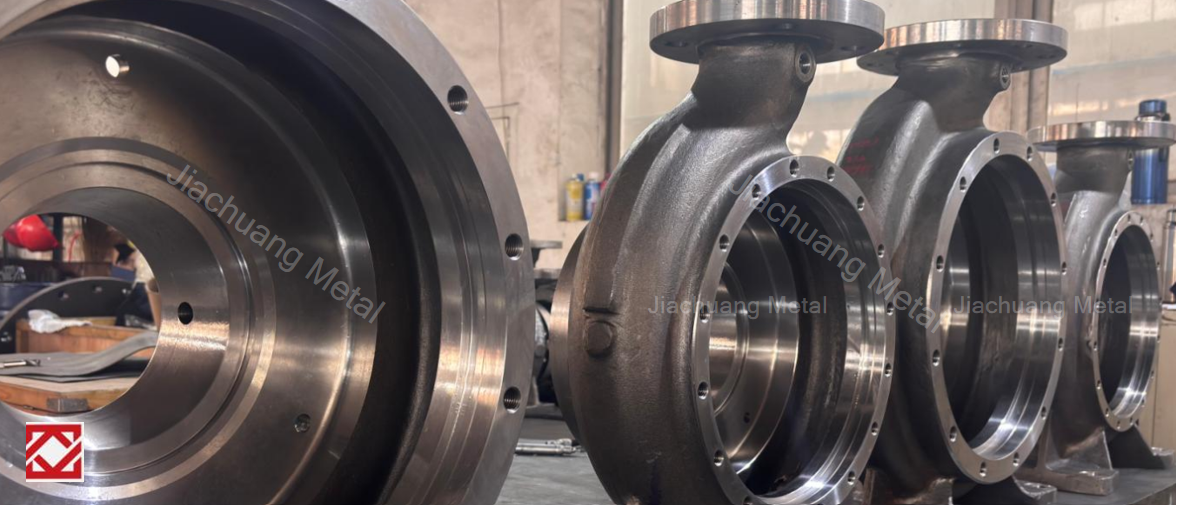
The pump body typically features a complex volute flow path structure with significant variations in wall thickness and is often made of materials such as cast iron, cast steel, or stainless steel, making its casting process one of the most challenging aspects in pump manufacturing. This article will delve into the casting process flow, key technical challenges, common defect analysis, and quality control strategies for centrifugal pump bodies, while also exploring future development trends in this field.
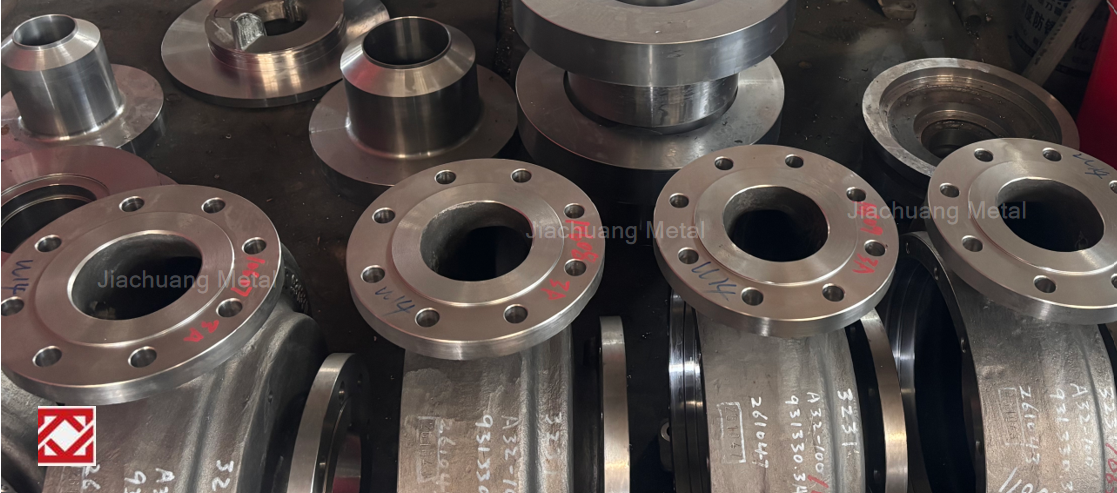
1. The molding quality of complex flow channels
The volute flow passage of a centrifugal pump is helical in shape with significant cross-sectional variations, making sand core positioning challenging. If the sand core shifts or deforms, it results in asymmetric flow passage, severely impacting the pump's hydraulic efficiency and even causing vibration and noise.
Countermeasure: Use a high-precision core making machine to produce sand cores, employ ceramic tubes or chillers for positioning assistance, and conduct rigorous dimensional inspections before box closing.
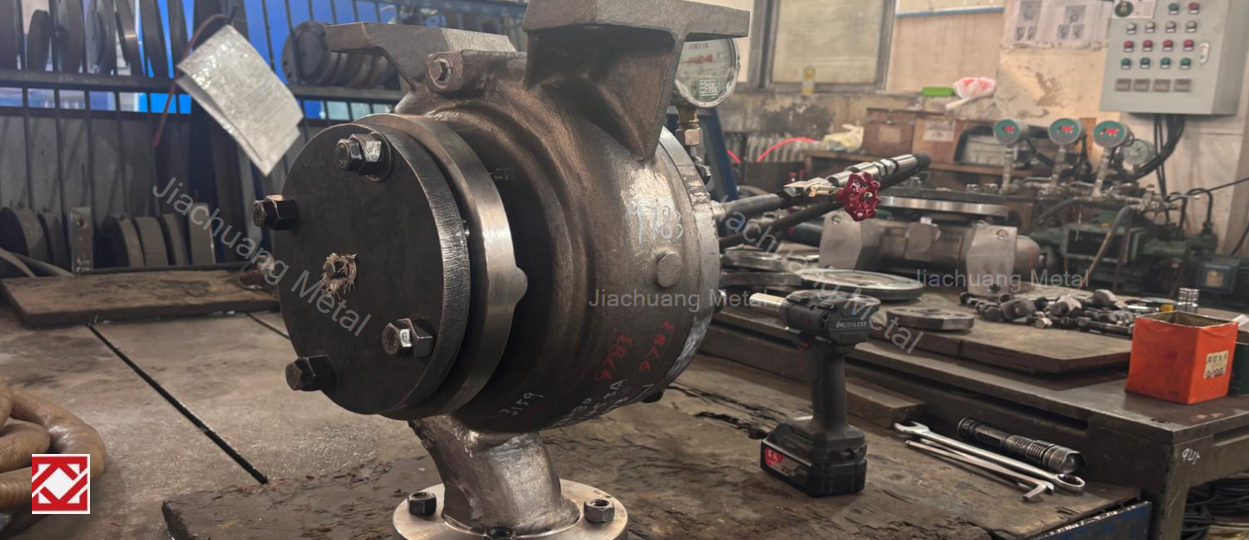
2. Control of Shrinkage and Shrinkage Cavities
Uneven wall thickness of the pump body (e.g., thicker at the flange and thinner at the flow passage) can lead to shrinkage looseness and shrinkage holes in the thicker sections, resulting in pressure test failure.
Countermeasures: Optimize the riser compensation design, apply chillers to accelerate local cooling and achieve sequential solidification; utilize simulation software for precise prediction of hot spot locations.
3. Pores and Slag Inclusions
The gases (hydrogen, nitrogen) and non-metallic inclusions in the molten metal are the primary causes of pump body leakage.
Countermeasures: Enhance raw material drying, thoroughly degas and remove slag during the smelting process, and install filters (ceramic filters) in the pouring system to prevent slag inclusions from entering the mold cavity.
4. Casting residual stress
Large pump bodies or asymmetrically structured pump bodies are prone to generating significant internal stresses during the cooling process, which can lead to subsequent machining deformation or cracking during use.
Countermeasures: Optimize the fillet transition of the casting structure, establish a scientific heat treatment process curve, and employ vibration aging treatment when necessary.