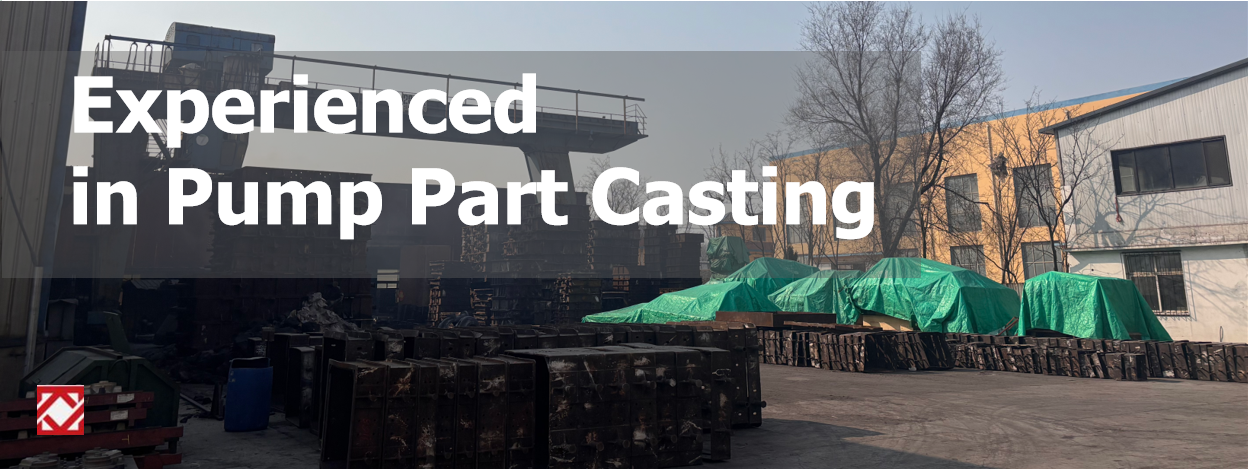

20th Mar 2026 - API 610 PUMP CASING
Pump Body Structure Types and Applicable Scenarios
API 610 categorizes pump casings into three main types based on support/splitting methods, corresponding to different operating conditions:
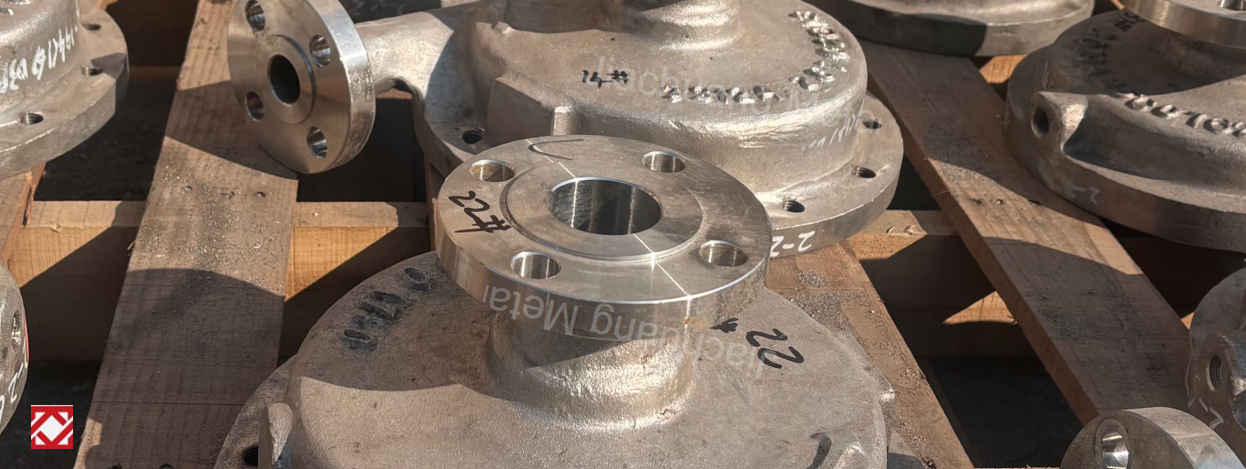
OH (Overhung, Cantilever, Radial Split): Such as OH1/OH2, the pump body is radially split with a cantilevered impeller; suitable for medium and low pressure, single-stage, and easy-maintenance applications; multiple horizontal arrangements for inlet and outlet.
BB (Between Bearings, two-end support, axial/radial split): Such as BB1 (axial split single-stage), BB3 (axial split multi-stage), BB5 (double shell); the pump body is split along the axial direction (BB1/3) or adopts a double-cylinder structure (BB5); the rotor can be pulled out as a whole without disassembling the inlet/outlet pipelines; suitable for high-pressure, high-temperature, multi-stage, and high-flow operation conditions.
VS (Vertically Suspended): The pump body is arranged vertically, mostly in a cylindrical structure; Suitable for working conditions inside tanks, limited space, and high cavitation requirements.
Design and Material Core Requirements
Design Guidelines
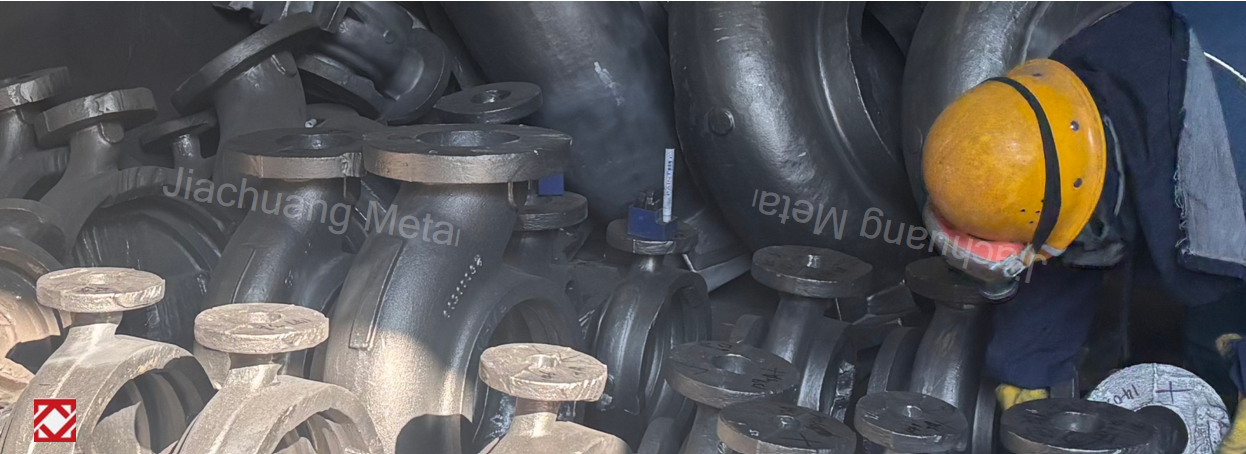
The pressure bearing shell must be cast as a whole, and welding and assembling the pressure bearing chamber are strictly prohibited; The wall thickness shall be checked according to MAWP (maximum allowable working pressure)+2 times the pipe opening load+corrosion allowance (≥ 3mm)+temperature correction; The strength coefficient of castings is selected according to the non-destructive level (0.8~1.0).
Flanges must comply with ASME B16.5/16.47, with strict control over sealing surface accuracy and bolt hole span; The diameter of the main bolt is ≥ 12mm, and hydraulic tension tightening is recommended for high-pressure pumps (such as BB3/BB5).
Full size exhaust/drain ports must be installed; Exhaust ports with NPS 1 and below require bi-directional stiffeners to enhance rigidity (added in the 12th edition).
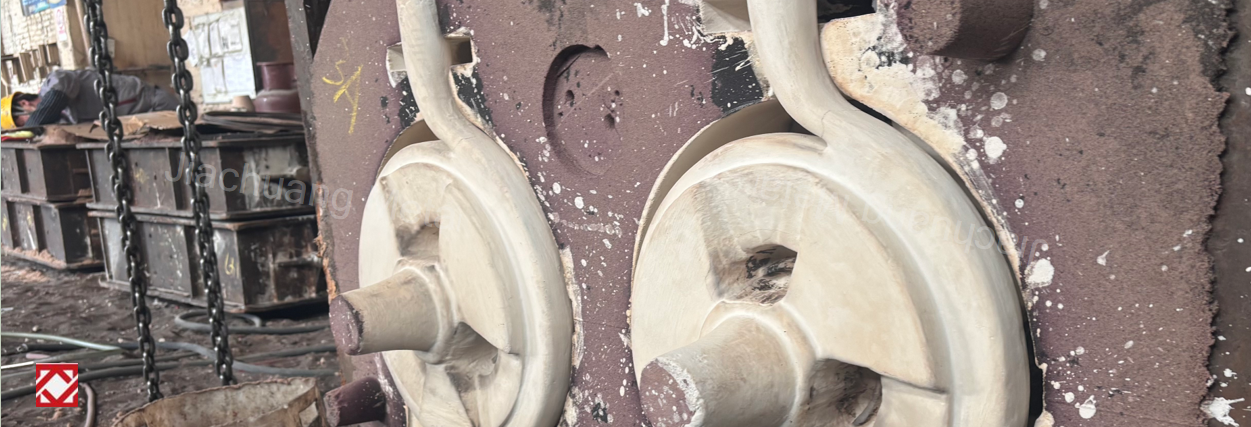
Surface and cleaning: sandblasting/shot blasting to MSS SP-55 appearance grade; Thoroughly polish the sprue and flash edges; It is strictly prohibited to use pounding or sintering to repair pressure bearing parts; Core supports are strictly prohibited for impellers, and core supports for pressure bearing parts must be made of matching materials and free of rust.
Key points of casting and manufacturing processes
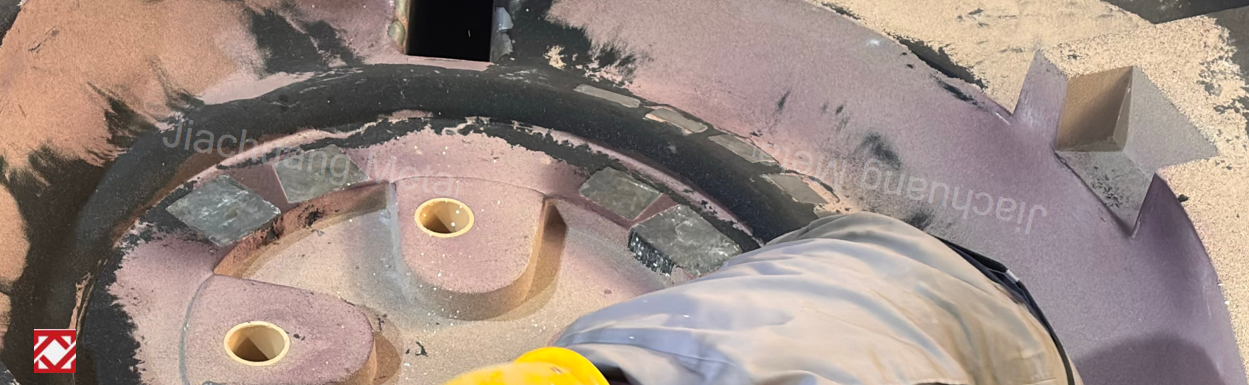
Process selection: Large pump bodies (BB3/BB5) are often cast with resin sand; Small and medium-sized precision pump bodies can be cast using silica sol investment casting; The riser+cold iron system needs to eliminate hot spot shrinkage/porosity; Strictly control the pouring temperature and speed to prevent porosity and slag inclusion.
Heat treatment and stress control: Carbon steel/low-alloy cast steel must be normalized+tempered or quenched and tempered; 100% stress relief and hydrogen removal treatment shall be carried out after welding repair; Cold deformation correction is strictly prohibited.
Repair rules: An approved WPS/PQR is required; After repair, retest according to the original NDT level; It is not allowed to close the internal cavity; Important repairs require written consent from the buyer.
Non destructive testing (NDT) mandatory item
Key areas: flange root, connecting pipe weld, transition zone of flow channel, hot joint;
Testing method and standard: 100% UT (ASTM E164) inspection for internal defects; RT (ASTM E94) spot check/100%; MT (ASTM E1444)/PT (ASTM E165) inspection for surface/near surface cracks;
Water pressure test: 1.5 times the MAWP pressure for sufficient duration, without leakage or visible deformation; Low temperature conditions require correction of test pressure to prevent brittle fracture.