

16th Mar.2026
The cast steel impeller is a steel-made impeller formed through casting, serving as the core flow-passing component of fluid machinery such as centrifugal pumps, water turbines, and fans. Its primary function is to convert mechanical energy into kinetic and pressure energy of the fluid, driving the medium's flow. Compared to cast iron impellers, it performs better under high-pressure, high-temperature, and high-impact operating conditions, making it widely applicable in industrial scenarios like energy, chemical, and metallurgical sectors.
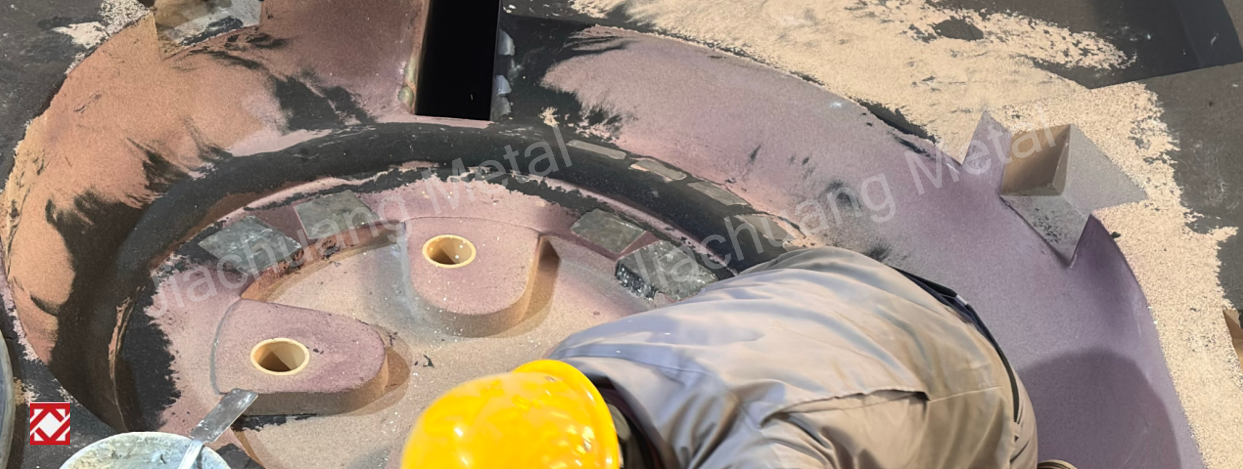
Common Materials and Selection
Carbon cast steel (e.g., ZG230-450): Moderate cost, superior strength and toughness compared to gray iron, suitable for conveying clean water and oil products at moderate temperatures and pressures; however, poor corrosion resistance makes it unsuitable for highly corrosive environments.
Alloy cast steel (e.g., ZG1Cr13, ZGCr5Mo): Resistant to high temperatures and erosion, commonly used for boiler feed pumps and power plant circulating pumps, capable of withstanding high-temperature media above 300°C.
Stainless Steel Cast Steel (304, 316, Duplex 2205): High corrosion resistance, suitable for chemical, desalination, food, and pharmaceutical industries, capable of transporting acid, alkali, and salt solutions; 316L is more suitable for applications with strong chloride environments.
Wear-resistant cast steel (high-chromium cast steel): High chromium content and abundant carbide hard phases, suitable for slurry pumps and mining pumps, with outstanding resistance to abrasive wear.
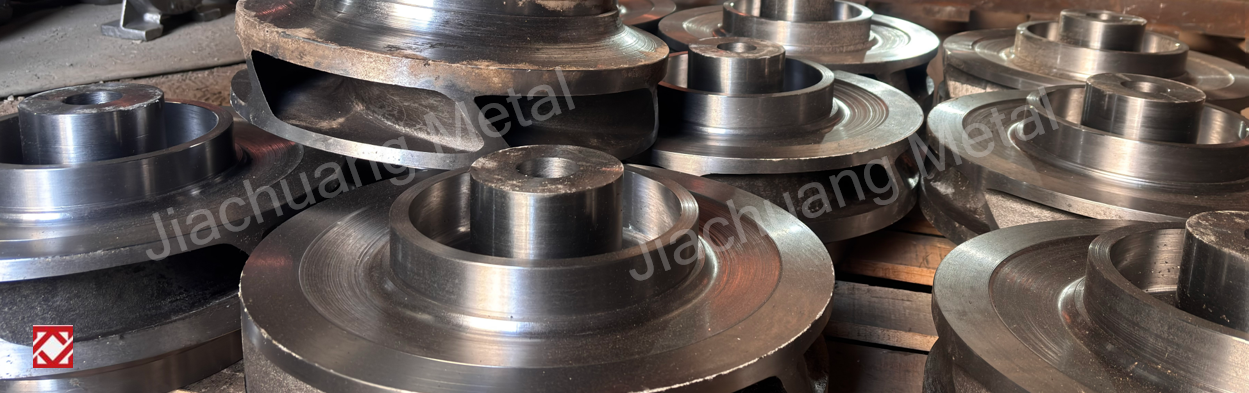
Typical application scenarios
Power Industry: Boiler feedwater pump, condenser circulating pump, and turbine runner;
Petrochemical: Crude oil transfer pumps, hydrogenation feed pumps, acid and alkali liquid transfer pumps;
Mining Metallurgy: Slurry Pumps, Tailings Transfer Pumps;
Desalination: High-pressure reverse osmosis feed water pump.