
In real purchasing and operating scenarios, many users notice the same issue: pump casings that are all labeled as “stainless steel” can perform very differently under similar operating conditions. Some run reliably for years, while others show corrosion, wear, or even cracking much earlier than expected.
Is it just bad luck? In most cases, no. The service life of a pump casing is largely determined during material selection and manufacturing, long before it goes into operation. Below, we break down the key technical reasons behind these differences.
1. Same name, very different material systems.
“Stainless steel” is not a single material, but a broad category.
For centrifugal pump casings, common options include CF8, CF8M stainless steel, as well as cast carbon steels (such as WCB and WCC) and alloy steels.
Each material behaves differently in terms of corrosion resistance, strength, and wear resistance.
In chemical and water treatment applications, fluids are often corrosive. In mining or energy industries, pump casings must also handle higher impact loads and pressure fluctuations.
If selection is based only on the label stainless steel pump casing—without considering media composition, temperature, and pressure—service life is hard to guarantee. Experienced manufacturers start from real operating conditions and choose the most suitable material system instead of relying on a generic option.
2. Casting quality and structural stability set the foundation.
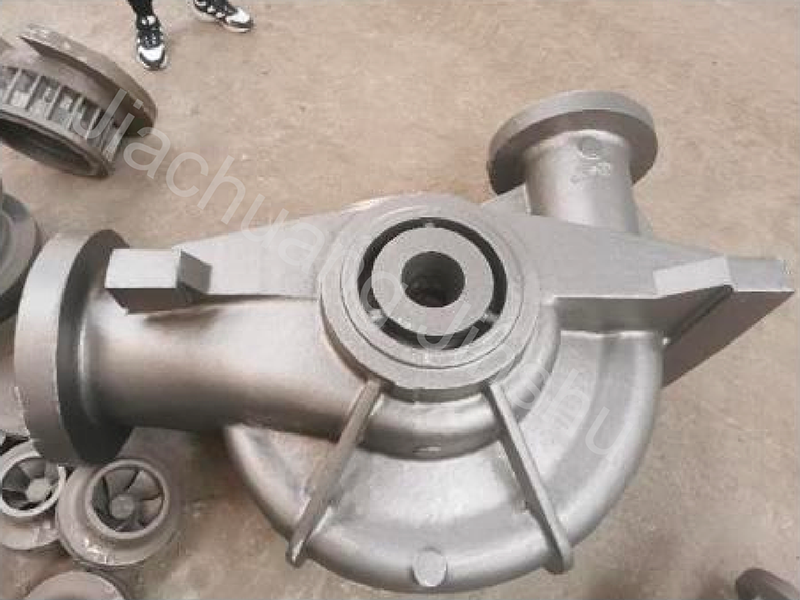
Pump casings are pressure-bearing components. Internal density and overall structural stability directly affect long-term performance.
Sand casting is a mature and widely used process, but poor control can lead to issues such as:
Internal shrinkage or porosity;
Uneven wall thickness;
Local stress concentration.
These defects may not be obvious at first, but under long-term operation and repeated temperature and pressure changes, they can significantly shorten the life of a stainless steel pump casing.
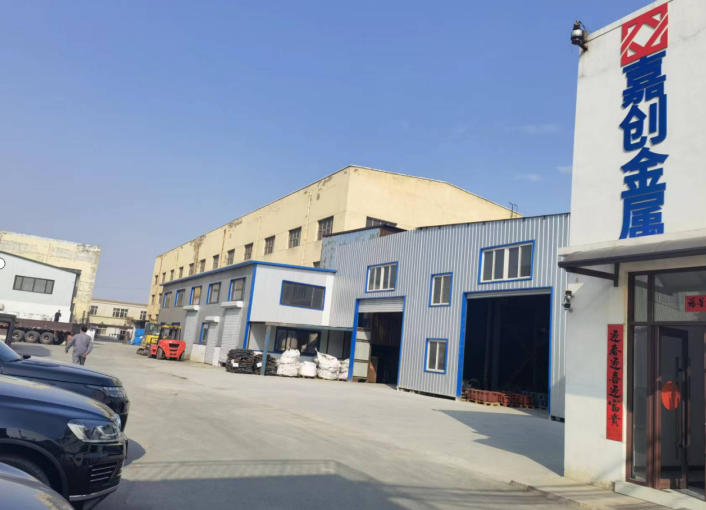
Dalian Jiachuang Metal Manufacturing Co., Ltd. uses stable casting processes and adjusts production methods based on different operating conditions, helping ensure reliable long-term performance.
3. Internal flow paths and machining accuracy matter more than appearance.
Many pump casings look similar from the outside, but their internal flow paths can differ greatly. Flow quality directly affects how the liquid behaves inside the pump:
Rough surfaces increase flow resistance;
Local turbulence accelerates erosion and energy loss;
Long-term operation can lead to faster localized wear or corrosion.
Machining accuracy is just as critical. Poor control of concentricity and dimensional tolerances can introduce additional vibration during operation, reducing the service life of bearings, seals, and the entire pump system—including the stainless steel pump casing itself.
4. A complete inspection process makes the difference.
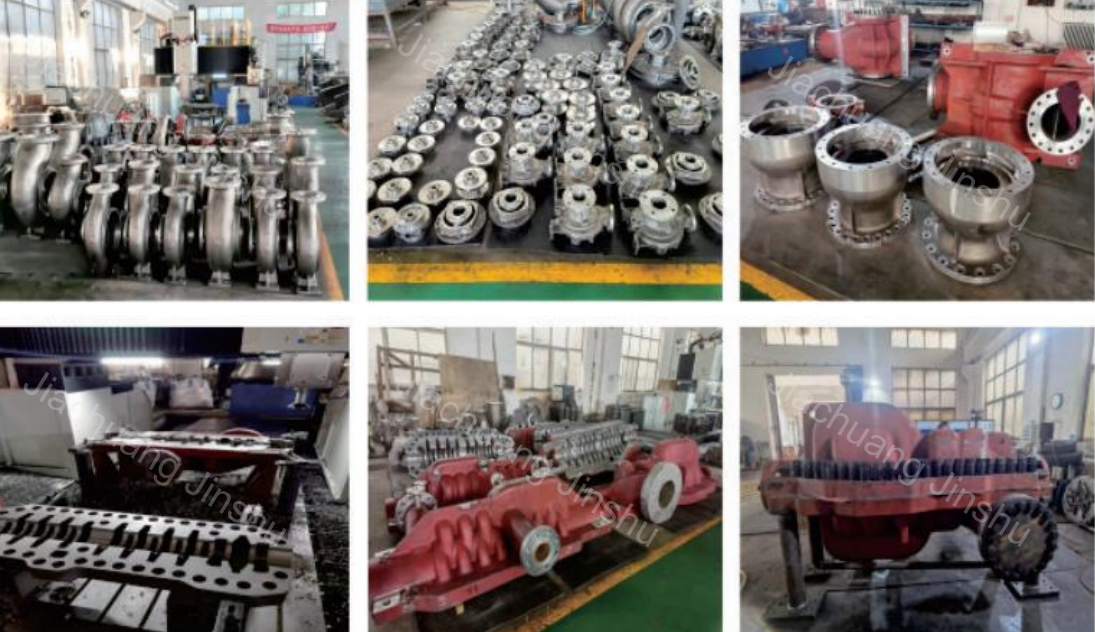
In a well-controlled manufacturing process, pump casings typically go through:
Chemical composition analysis (such as spectrometer testing);
Mechanical property testing (tensile strength, yield strength, elongation);
Non-destructive testing (UT, MT, PT, or RT as required);
Dimensional and visual inspection.
These steps help identify potential risks early and prevent failures during operation.
5. Generic design vs. application-specific customization.
Many pump casing issues are not caused by poor quality, but by mismatch with actual operating conditions. Common examples include:
Flange standards that create installation stress;
Wall thickness not designed for abrasive media;
Structural designs that complicate maintenance.
Compared with fully generic designs, our approach focuses on selecting and customizing pump casings based on real operating conditions. This helps buyers control long-term operating and maintenance costs rather than just initial purchase price.
If you are selecting a stainless steel pump casing and want your pump system to run more reliably over the long term, feel free to contact us. We take the time to understand your actual operating conditions and provide targeted selection and customization advice—often far more valuable than comparing specifications alone.