

In mining dewatering, chemical transfer, energy systems, and water treatment applications, multistage centrifugal pumps are used for long-distance and high-head fluid transport. Unlike single-stage pumps, multistage designs increase pressure step by step through multiple impellers, resulting in much higher discharge pressure. This structure places significantly greater demands on the strength and stability of the pump casing.
The pump casing is not just a protective shell. It carries internal pressure and maintains sealing integrity and shaft alignment between stages. In demanding operating conditions, a Multistage pump volute must be produced using high-strength casting technology to ensure long-term reliability.
The Multistage Design Means Continuous High Stress.
In a multistage centrifugal pump, pressure builds progressively from stage to stage. As the number of stages increases, the internal pressure inside the casing becomes much higher than that of a single-stage pump. Under high-head conditions, the casing operates under sustained internal pressure while also experiencing pressure fluctuations during startup and shutdown.
If the material strength of a Multistage pump volute is insufficient, even slight deformation can occur. This may affect inter-stage sealing, shaft alignment, and overall hydraulic efficiency, eventually leading to reduced performance or premature failure. For this reason, high-strength materials combined with a stable casting structure are fundamental to safe and efficient pump operation.
Complex Flow Passages Create Local Stress Concentration.
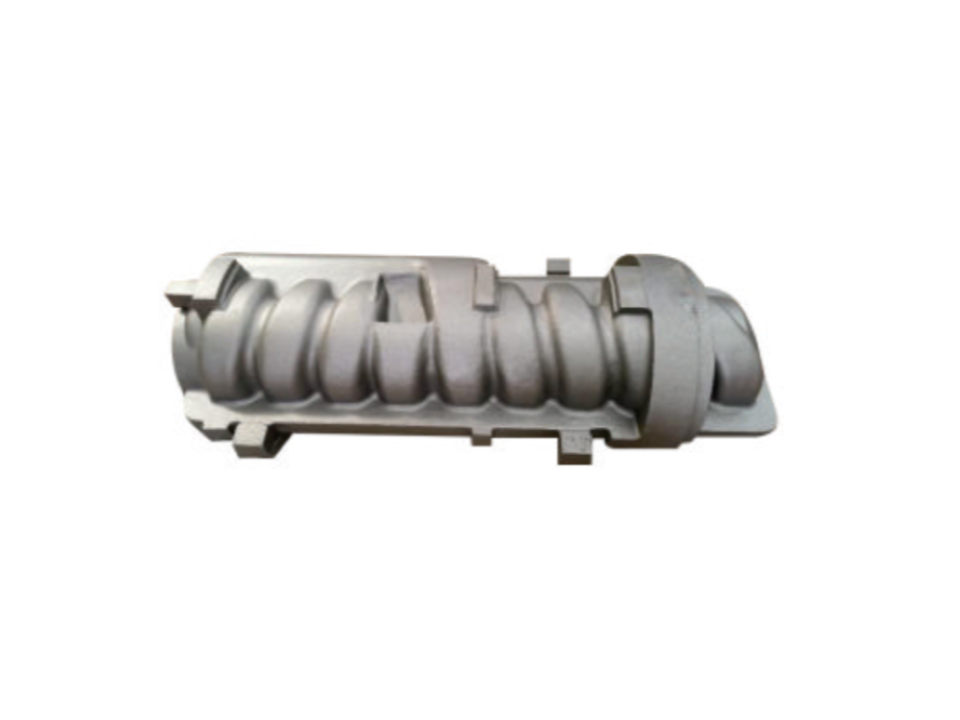
A multistage pump casing typically contains multiple flow channels, guide structures, and inter-stage chambers. Compared to a simple straight-flow design, these complex geometries create areas where stress concentration is more likely, especially around corners and wall thickness transitions.
If the casting structure is not uniform or contains internal defects, these areas can become crack initiation points under high pressure. High-strength casting technology addresses this risk through optimized mold design, controlled pouring systems, and carefully managed cooling processes. The goal is to ensure a dense internal structure and uniform wall thickness, minimizing shrinkage cavities, porosity, and inclusions from the start.
Continuous Operation Accelerates Material Fatigue.
In mining and chemical industries, multistage pumps often run continuously. In addition to internal pressure, the casing must withstand temperature variation, corrosive media, and fluid erosion. When handling corrosive liquids or fluids containing particles, the inner wall of the casing must resist both chemical attack and mechanical wear.
Our Multistage pump volutes are manufactured from martensitic stainless steel and corrosion-resistant cast steel. After proper heat treatment, martensitic stainless steel provides high strength and good wear resistance, along with reliable corrosion performance. Corrosion-resistant cast steel is particularly suitable for aggressive or chemically complex environments. By combining high-strength casting processes with controlled heat treatment, we ensure strong mechanical performance while improving corrosion and fatigue resistance, ultimately extending service life.
Casting Density Directly Affects Pressure Safety.
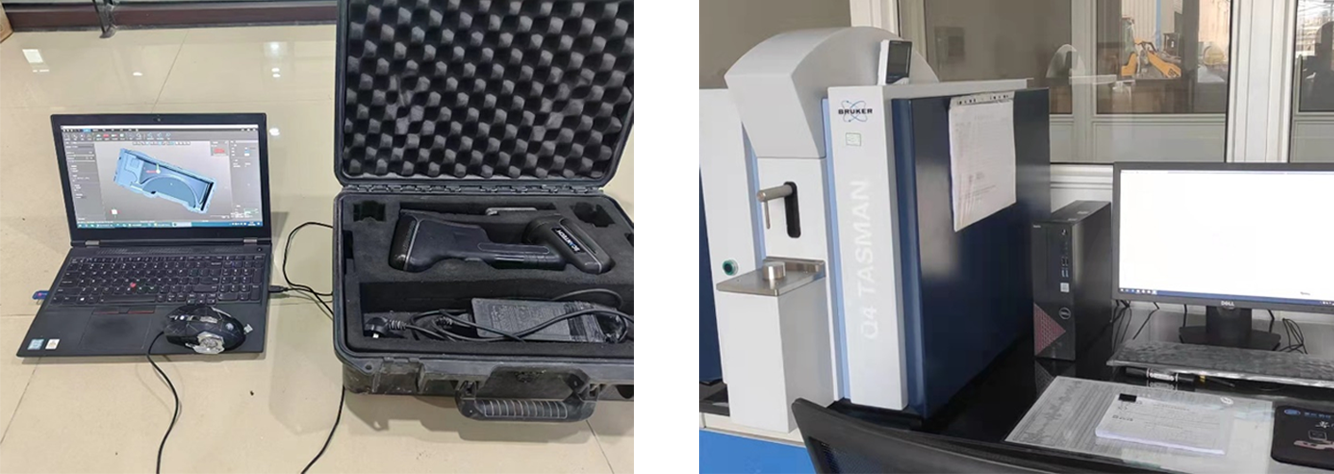
Internal casting quality is critical for high-pressure equipment. Shrinkage, porosity, or internal looseness can act as stress concentration points. Under cyclic loading, small imperfections can grow into cracks over time.
High-strength casting technology involves strict control of chemical composition during melting, accurate pouring temperature management, and appropriate heat treatment procedures. We also apply non-destructive testing to detect internal defects before delivery. This approach helps prevent potential risks from entering real operating systems, where downtime can be costly.
Dimensional Stability Impacts Overall Pump Efficiency.
A multistage pump casing also serves as a structural reference component during assembly. The flatness of inter-stage sealing surfaces, the concentricity of flow passages, and the overall dimensional stability of the casing all influence pump efficiency and operational stability.
By using high-strength materials together with controlled casting processes, we improve the structural rigidity of the Multistage pump volute. This allows the casing to maintain dimensional accuracy even under high-pressure conditions, supporting stable sealing, smooth operation, and consistent hydraulic performance.
Using high-strength casting technology for a Multistage pump volute is not simply about improving specifications. It is a practical requirement driven by high internal pressure, complex internal geometry, continuous operation, and corrosive service environments.
Only by controlling material strength, internal density, and dimensional stability can a multistage pump operate safely and efficiently across demanding industrial applications.