
Centrifugal pumps play a key role in liquid transportation across chemical and industrial processes. Due to harsh operating conditions—such as large temperature fluctuations, high system pressure, and fluids containing solid particles or corrosive chemicals—the pump casing and impeller are prone to wear and damage. Here are some practical usage and maintenance suggestions.
Pump Casing Installation and Inspection:
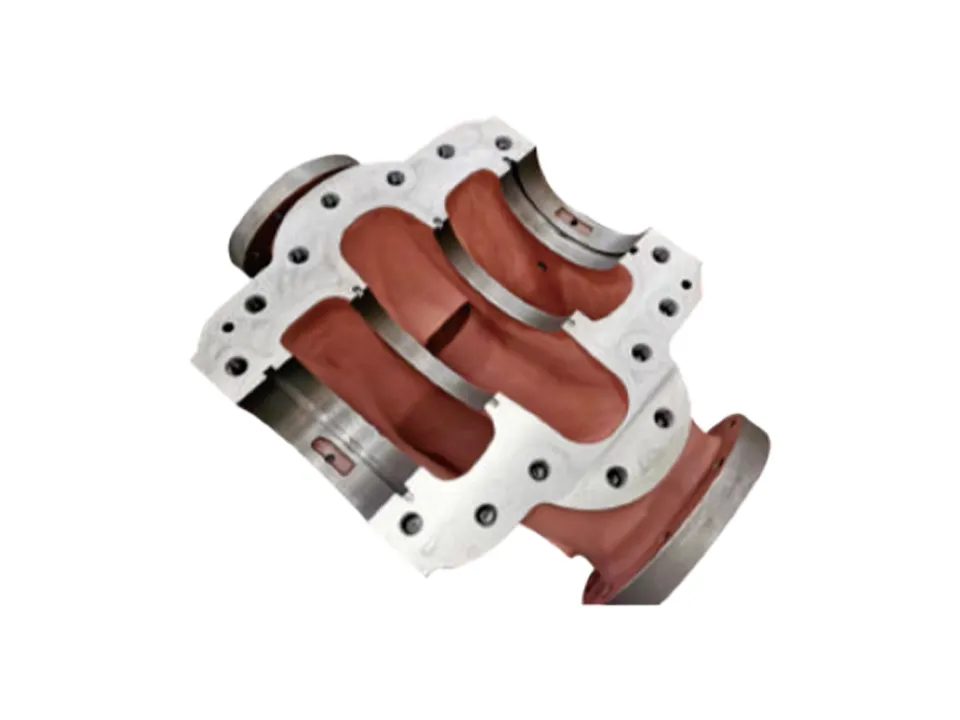
Our centrifugal pump casing castings are made from high-strength carbon steel (meeting GB and ASME/ASTM standards), with a stable structure for easy installation and maintenance.
Before installation, inspect the casing surface for cracks or deformation, ensure the flange sealing face is flat, flow channels are clean, and lifting points are secure.
Use proper lifting equipment to place the pump casing in position, secure it with anchor bolts, and adjust the level to prevent vibration or displacement during operation.
Impeller and Seal Maintenance:
The carbon steel pump casing casting has a solid structure and smooth flow path, efficiently converting the high-speed kinetic energy from the impeller into pressure energy, improving pump performance.
The impeller and front-stage seal ring are prone to wear, which can reduce pump efficiency and cause vibration and noise.
Maintenance tips: use wear-resistant materials or replace worn seal rings promptly. If the impeller inlet outer diameter wears significantly, welding or overlay repair can restore its dimensions.
Preventing Air Binding and Cavitation:
Air binding: occurs when air inside the pump prevents proper suction. This can be solved by venting the air and ensuring the pump casing is fully filled with liquid. For pumps installed above the liquid level, a check valve at the suction pipe is recommended.
Cavitation: happens when liquid vaporizes inside the pump, forming bubbles that collapse and cause local pitting and damage to the impeller and pump casing. The carbon steel casing’s high pressure strength helps reduce damage, but cavitation should be avoided to maintain stable pump operation.
Scaling and Deposits on Impeller and Guide Vanes:
In tough operating conditions or when handling fluids with particles or corrosive chemicals, scaling on the impeller and guide vanes is common, reducing flow and efficiency.
Descaling methods:
Manual cleaning: suitable for simple maintenance, but low efficiency and may miss hidden areas.
Mechanical cleaning (shot blasting or sandblasting): effectively removes rust and scale, adds surface compressive stress, but hard-to-reach areas may remain.
Chemical cleaning: uses acids or alkalis to remove rust and grease; efficiency is limited, and it produces hazardous waste.
By combining the pump casing’s stable structure and smooth flow channels with the right cleaning method, the lifespan of both the centrifugal pump casing casting and impeller can be extended.