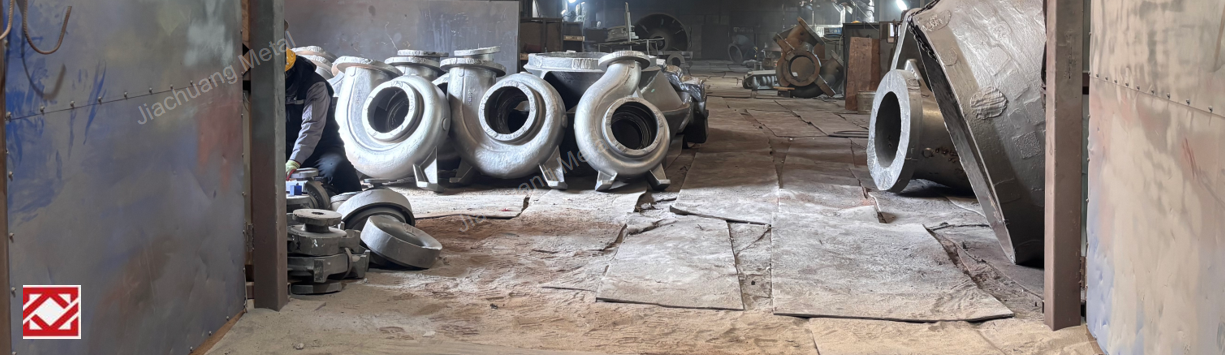

The cast steel pump casing of a centrifugal pump is the core pressure-bearing component of the pump body, primarily designed for harsh operating conditions such as high temperature, high pressure, strong corrosion, or specific wear resistance requirements. It fundamentally differs from common cast iron pump casings in both performance and application
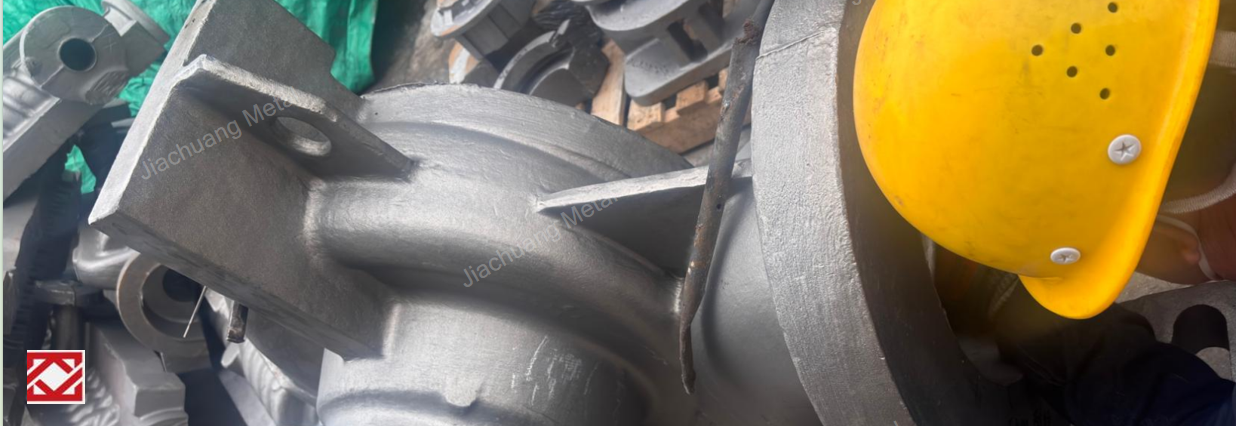
Application scenarios: Cast steel pump housings (common grades such as ZG230-450 carbon steel, or various stainless steels and alloy steels) are often used in multistage high-pressure pumps (with outlet pressure typically >1.6MPa, even reaching tens of MPa), boiler feedwater pumps, petrochemical pumps, and high-temperature (up to several hundred degrees Celsius) medium transportation due to their high strength and toughness. In contrast, cast iron/ductile iron is primarily employed for ordinary low-pressure water or ambient-temperature corrosion-resistant components.
Performance characteristics: Cast steel exhibits superior plasticity and weldability compared to cast iron, making it more resistant to brittle fractures under impact or alternating stress, while also demonstrating enhanced high-temperature resistance.
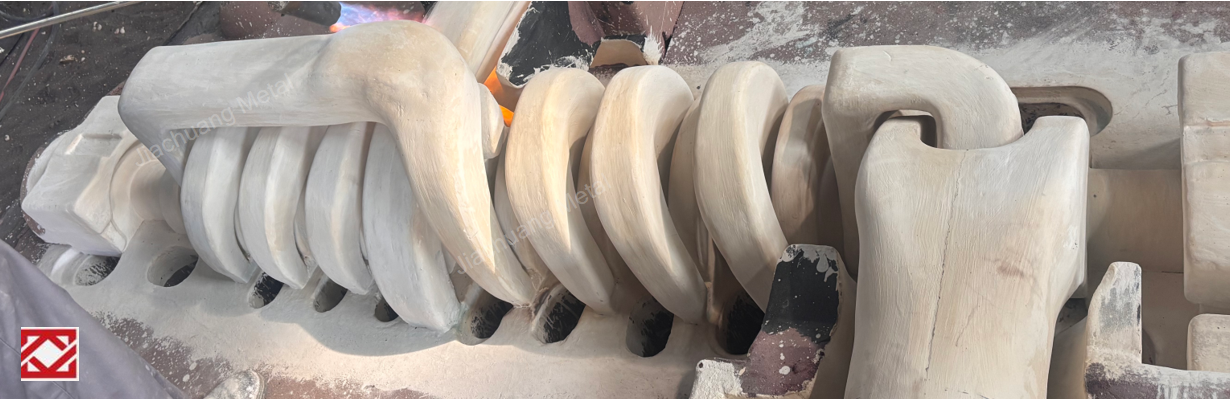
Common casting challenges: Due to the complex structure of the pump housing (multiple flow channels and significant wall thickness variations), steel castings are prone to defects such as shrinkage cavities/skin (insufficient feeding at hot spots), slag inclusions, cracks (concentrated shrinkage stress at thin-thick junctions), and sand adhesion in flow channels. Precision multi-stage pump housing casting typically requires specialized feeding techniques and cold iron setups to ensure internal density.
Failure and Maintenance: If cracks develop in the pump casing during operation, pressure-bearing areas typically require repair by welding; minor cracks in non-pressure-bearing sections can be addressed by drilling crack arrest holes to prevent propagation. Prolonged exposure to high-velocity fluid erosion and corrosive media often leads to wall thinning or perforation, which are common failure points.