Get the latest price? We will reply as soon as possible (within 12 hours)

Industry News

  • Causes and improvement measures of casting cracks in multi-stage pump bodies: Structural perspective and process analysis 
    11-12/2025
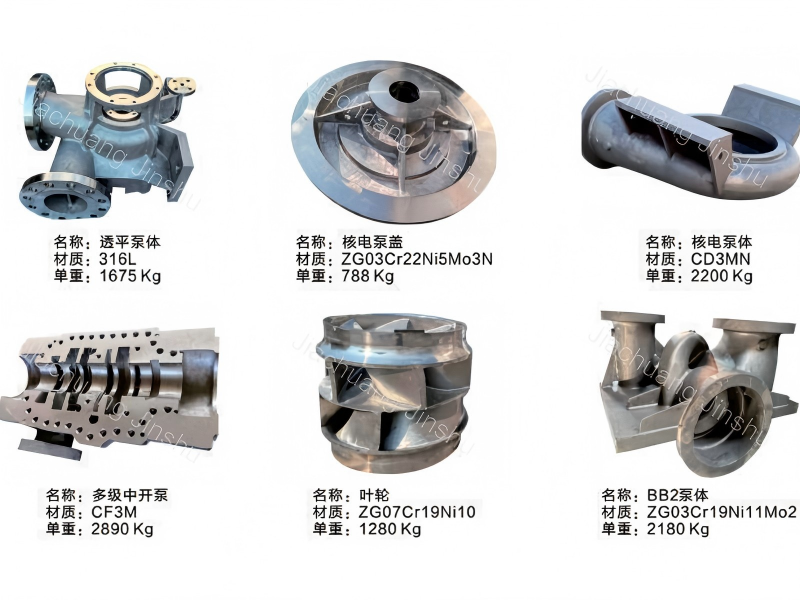
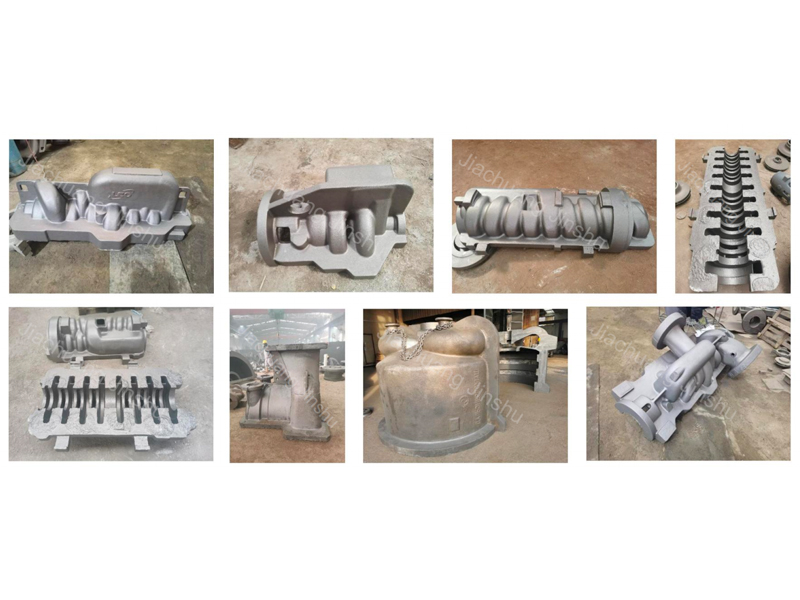
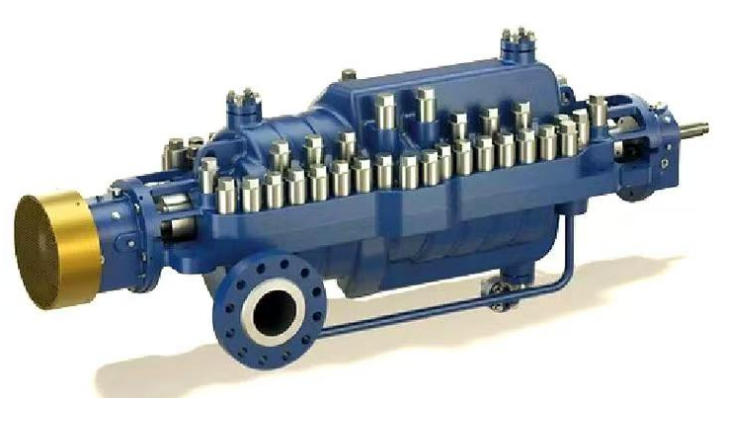
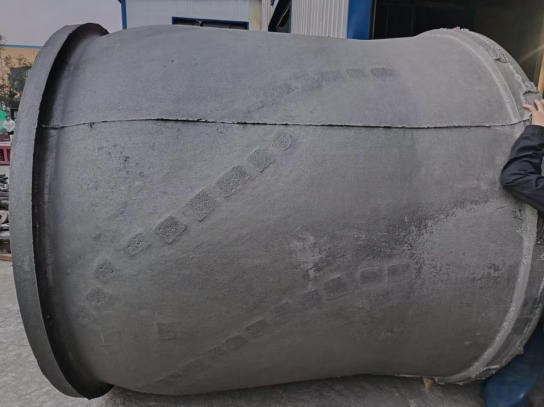
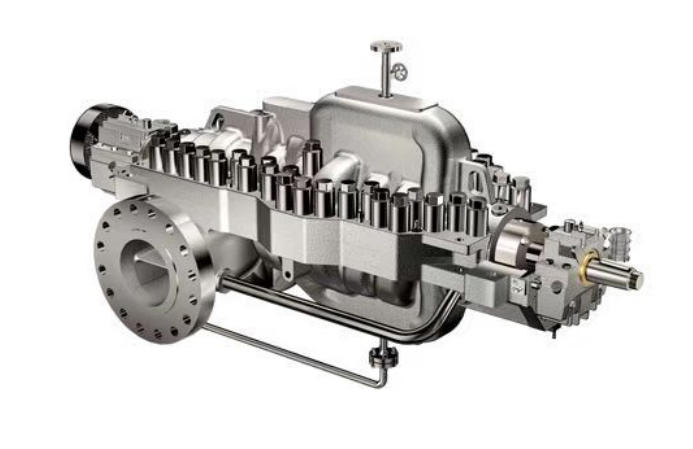
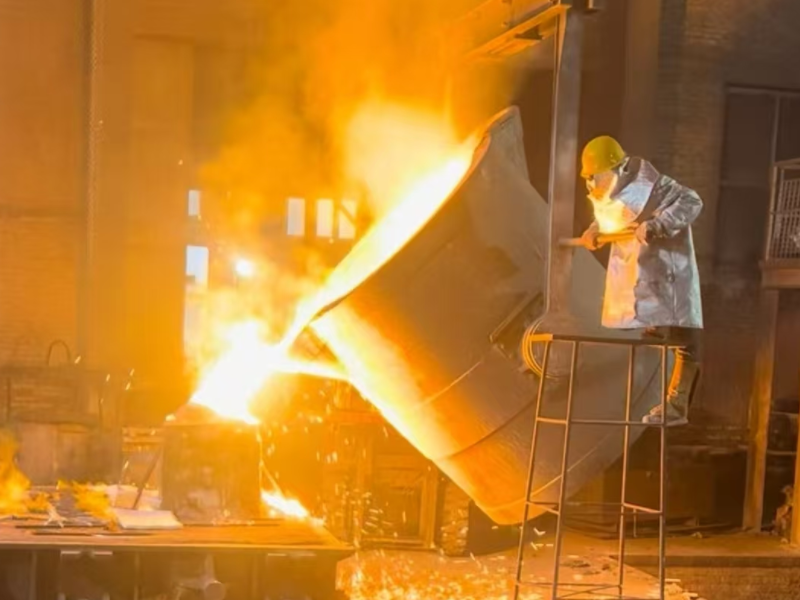
    Abstract: This paper focuses on the locations, causes, and improvement measures of cracks that are prone to occur in the pump body of multi-stage pumps during sand casting. Starting from the structure of the multi-stage pump body and combining with the key processes of sand casting, a systematic analysis is conducted. The study indicates that the flange connection area of the multi-stage pump body, the root of the blades, and the areas with sudden changes in wall thickness are the high-risk points for cracks. The main reasons are structural stress concentration, improper casting process control, and the characteristics of stainless steel material. The main text deeply explores the influence mechanism of each process on casting defects (such as cracks), and proposes targeted optimization solutions, including improving the structural design, enhancing the strength of the sand mold, and controlling the pouring parameters. The full text emphasizes reducing the occurrence rate of cracks in the casting pump body through refined operation management and improving the reliability and production efficiency of the stainless steel multi-stage pump body.
  • Patents Empower Sand Casting! Jiachuang Metal Overcomes Manufacturing Challenges of OH Pump Steel Casting Impellers
    11-06/2025
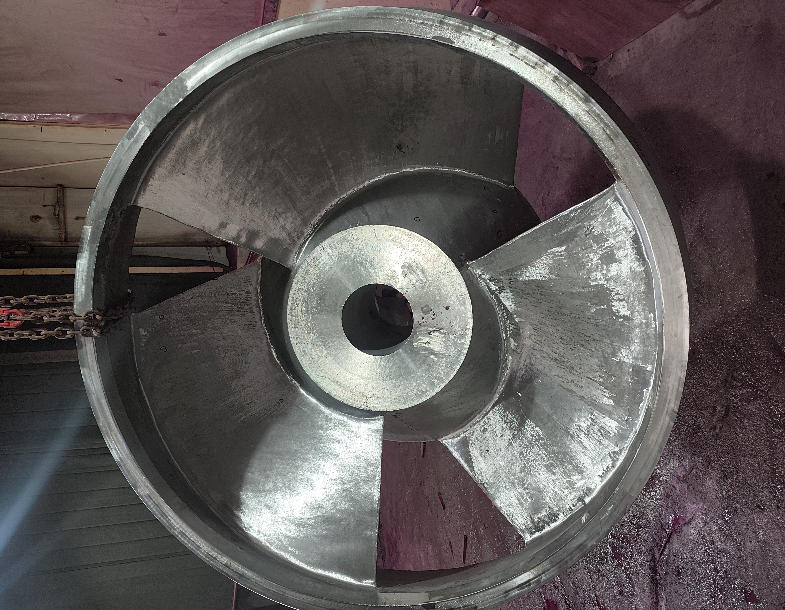
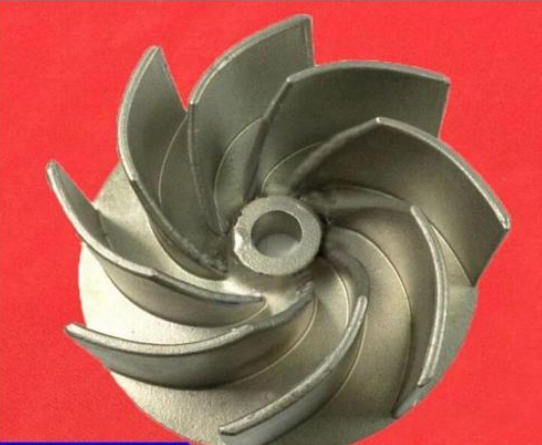
    Recently, Dalian Jiachuang Metal Manufacturing Co., Ltd. (hereinafter referred to as "Jiachuang Metal") has achieved a major technological breakthrough in the field of sand casting. Its independently developed patent technology has successfully solved the manufacturing challenges of OH pump steel casting impellers. According to third-party testing, the comprehensive qualification rate of impellers has increased from the industry average of 85% to 99%, and the production cycle has been shortened by 40%. This achievement not only fills the technical gap in high-end pump castings in Northeast China but also marks the innovative strength of local small and medium-sized enterprises in industrial upgrading.
  • Optimization and quality control of casting guide body
    10-31/2025
    As a core flow component in fluid machinery, guide vanes are extensively used in critical equipment such as water turbines, pumps, and compressors. Their performance directly impacts the efficiency, stability, and service life of the entire system. These components must withstand complex hydrodynamic loads, material corrosion, and temperature fluctuations, requiring stringent specifications for material properties, structural precision, and surface quality. Casting serves as the primary manufacturing method for guide vanes, involving multiple critical processes including material selection, mold design, melting and casting, heat treatment, and quality inspection. The quality of the casting process directly determines the final product's performance. This article will delve into the technical aspects, process optimization, and quality control of cast guide vanes.

  • Analysis and Control of Sand Hole Defects in Sand Casting: Taking the Cast Steel BB3 Multistage Pump Body as an Example
    10-17/2025
    Abstract: This paper systematically analyzes the causes, common processes and locations of sand hole defects in the sand casting process of BB3 type multistage pump bodies in cast steel parts, and proposes targeted solutions. Through literature review and case analysis, it was found that the defects of sand holes mainly result from insufficient strength of the molding sand, design flaws of the gating system and improper operation, and are prone to occur in the molding, core setting, closing and pouring processes. The specific locations include gates, risers, thick parts of castings and inner cavities. By optimizing the proportion of molding sand, improving the design of the gating system and strengthening process control, the occurrence rate of sand holes can be effectively reduced and the quality of castings can be improved.
  • Stainless steel impeller castings: the core actuator of industrial fluid equipment
    09-15/2025
    In modern industrial systems, stainless steel impeller castings serve as core components of fluid machinery, playing a vital role in energy conversion and medium transportation. From high-corrosion medium pumps in chemical processes to high-temperature, high-pressure ventilation systems in power generation, and sewage treatment equipment in environmental engineering, these castings ensure efficient, stable, and long-term operation of entire systems through their superior performance. This article systematically explores the key technical aspects and industrial applications of stainless steel impeller castings from dimensions including structural design, material properties, advanced manufacturing processes, diverse applications, and technological development trends.
  • What is a casting? What do we do? !
    09-12/2025
    Castings, as an important component of modern manufacturing, are widely used in multiple fields such as automobiles, aerospace, construction, and machinery. It is not merely a process of transforming metals or other materials into specific shapes, but also a complex technology that integrates art and science. This article will delve deeply into the definition, process flow, application fields and future development trends of castings.
  • Foundry Industry Development
    08-07/2025
    Casting, as a crucial process in the equipment manufacturing industry, is a vital support for numerous industries, including mining machinery, energy and power, and automotive. The quality of castings directly impacts the stability of both equipment and the industrial chain.
  • How is the Export of Castings in My Country in 2024?
    07-15/2025
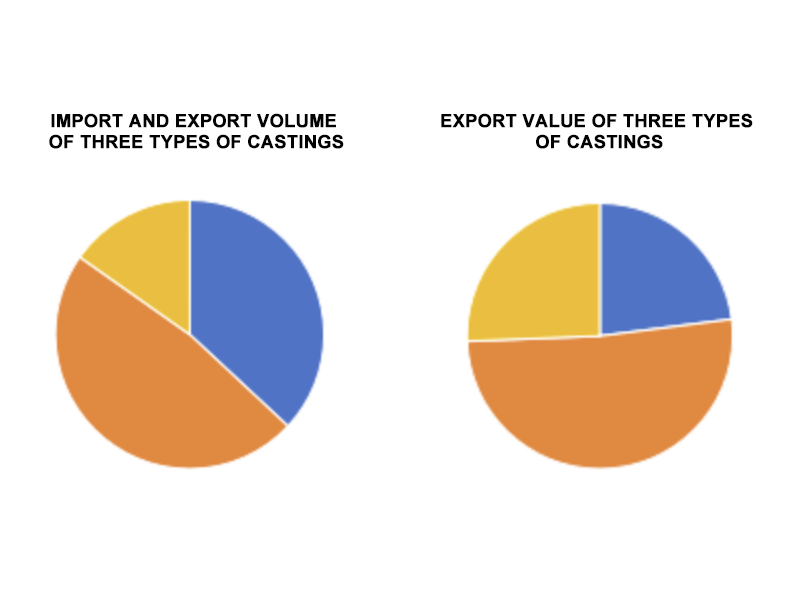
    According to customs data, from January to October 2024, the total import and export volume of 20 HS codes of castings in my country was 5.172 million tons, a year-on-year increase of 12.31%, and the total import and export value was 157.5 trillion, a year-on-year increase of 6.92%; among them, exports accounted for the main part, with an export volume of 5.066 million tons, a year-on-year increase of 12.39%, and a total export value of US$14.19 billion, a year-on-year increase of 5.78%; the import volume was 106,000 tons, a year-on-year increase of 8.72%, and the total import value was US$1.56 billion, a year-on-year increase of 18.62%.