Get the latest price? We will reply as soon as possible (within 12 hours)

News

  • Metallurgical Control of Steel Castings for API 610, Power Generation, and Cryogenic Applications
    02-27/2026
    This article focuses on the metallurgical control of steel castings for API 610 petrochemical, thermal power, and LNG cryogenic applications. It highlights compliance with API 610 standards, high-temperature creep resistance for power generation, and exceptional low-temperature toughness down to -162°C. Through advanced simulation, precise heat treatment, strict NDT, and impurity control, we ensure reliable, defect-free castings to enhance equipment safety and service life, supporting custom engineering solutions for B2B partners.
  • The Key Role of Cast Steel Multistage Pump Volutes in the Energy Industry
    02-26/2026
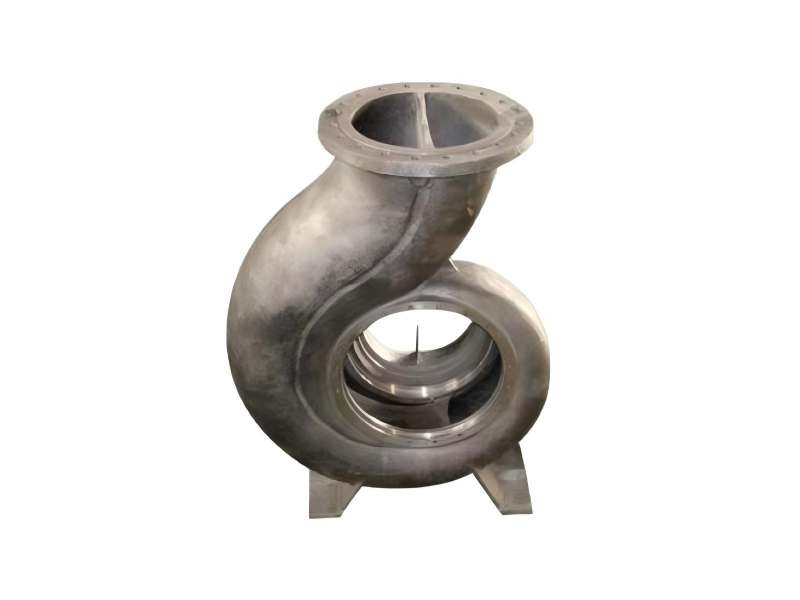
    This article highlights the key role of cast steel multistage pump volutes in the energy industry. They ensure system safety, boost efficiency, extend equipment life, lower maintenance costs, and adapt to harsh, complex conditions. Dalian Jiachuang provides custom, high-quality volutes with professional design and manufacturing support.
  • Choosing the Right Cast Chemical Pump Cover Matters More Than Replacing the Pump
    02-26/2026
    This article stresses that choosing a suitable cast chemical pump cover is more critical than replacing the entire pump. In harsh industrial settings, the pump cover often fails first due to corrosion, poor material, or flawed design, causing leaks and downtime. Sand casting offers design flexibility for complex, heavy-duty covers. Proper material selection matching real working conditions extends service life. Frequent pump replacement is costly; custom, application-specific cast pump covers boost reliability, cut maintenance costs, and meet industrial needs effectively.
  • Analysis of Materials and Manufacturing Processes for "High-Flow, High-Head" Pump Castings in Shipbuilding and Offshore Engineering
    02-25/2026
    This article focuses on materials and manufacturing of "high-flow, high-head" pump castings for shipbuilding/offshore engineering. It addresses challenges of mechanical stress and seawater corrosion, introducing solutions like high-strength sand casting, duplex stainless steel, and compliance with DNV/ABS/CCS standards, offering reliable cast steel components.
  • Application Advantages of Open Impellers in the Chemical and Wastewater Industries
    02-25/2026
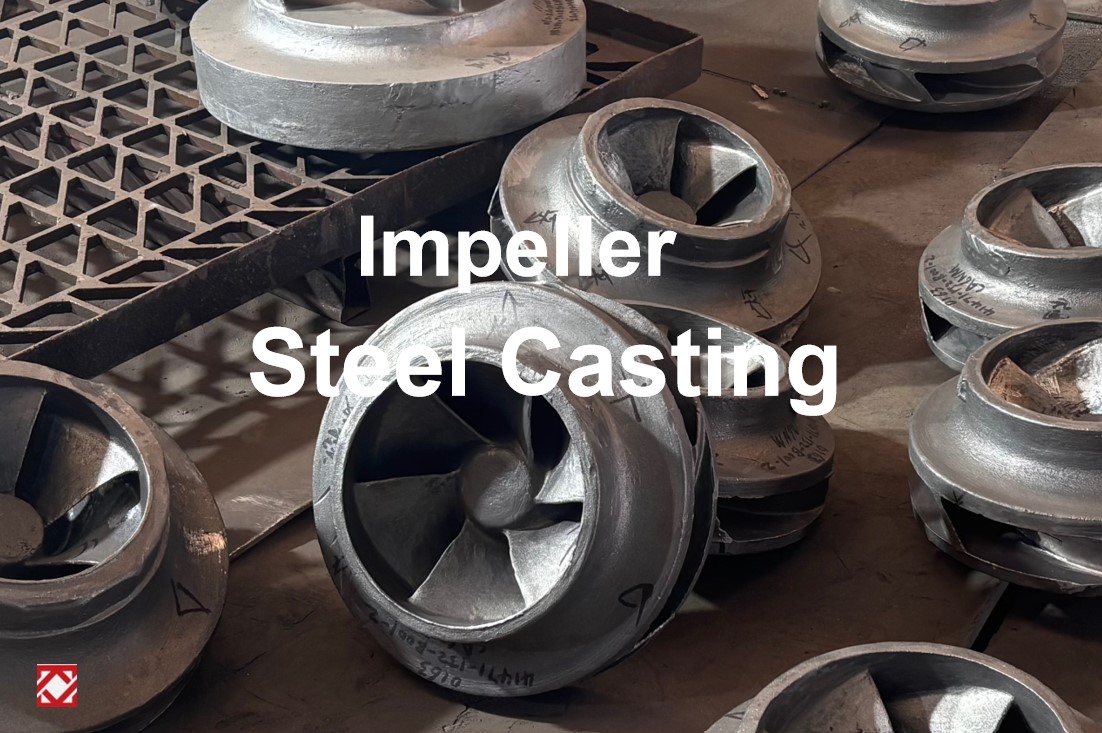
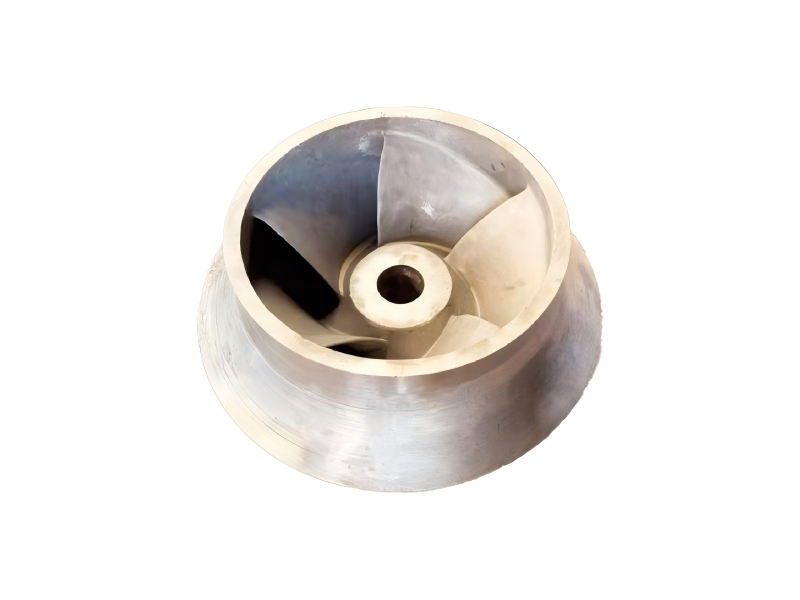
    This article highlights the application advantages of open impellers in chemical and wastewater industries. Compared to closed impellers, open impellers have no front/rear shrouds, featuring wider flow paths that resist clogging by solids, fibers, or crystallizing media—critical for these industries. Made of stainless steel via sand casting, they offer strong corrosion resistance, simplified maintenance (less disassembly needed), and customizable designs. In chemical plants, they handle aggressive fluids and reduce downtime; in wastewater treatment, they prevent blockages in sludge/solid-laden systems. Casting quality and structural optimization ensure hydraulic efficiency, durability, and stable long-term operation, meeting the industries’ demanding needs.
  • Why Must a Multistage Pump Volute Be Manufactured with High-Strength Casting Technology?
    02-24/2026
    This article explains why multistage pump volutes require high‑strength casting. Multistage pumps operate under high pressure, complex flow passages, and continuous heavy working conditions, leading to high stress, fatigue, and potential cracking. High‑strength casting ensures dense, defect‑free structure, uniform wall thickness, and good dimensional stability. Using corrosion‑resistant cast steels with proper heat treatment enhances strength, fatigue, and corrosion resistance. Strict casting control and NDT guarantee safety and reliability. Such technology reduces failure risk, extends service life, and maintains stable, efficient pump performance in harsh industrial applications.
  • Why the Chemical Pump Casing Determines Corrosion Resistance and Service Life
    02-11/2026
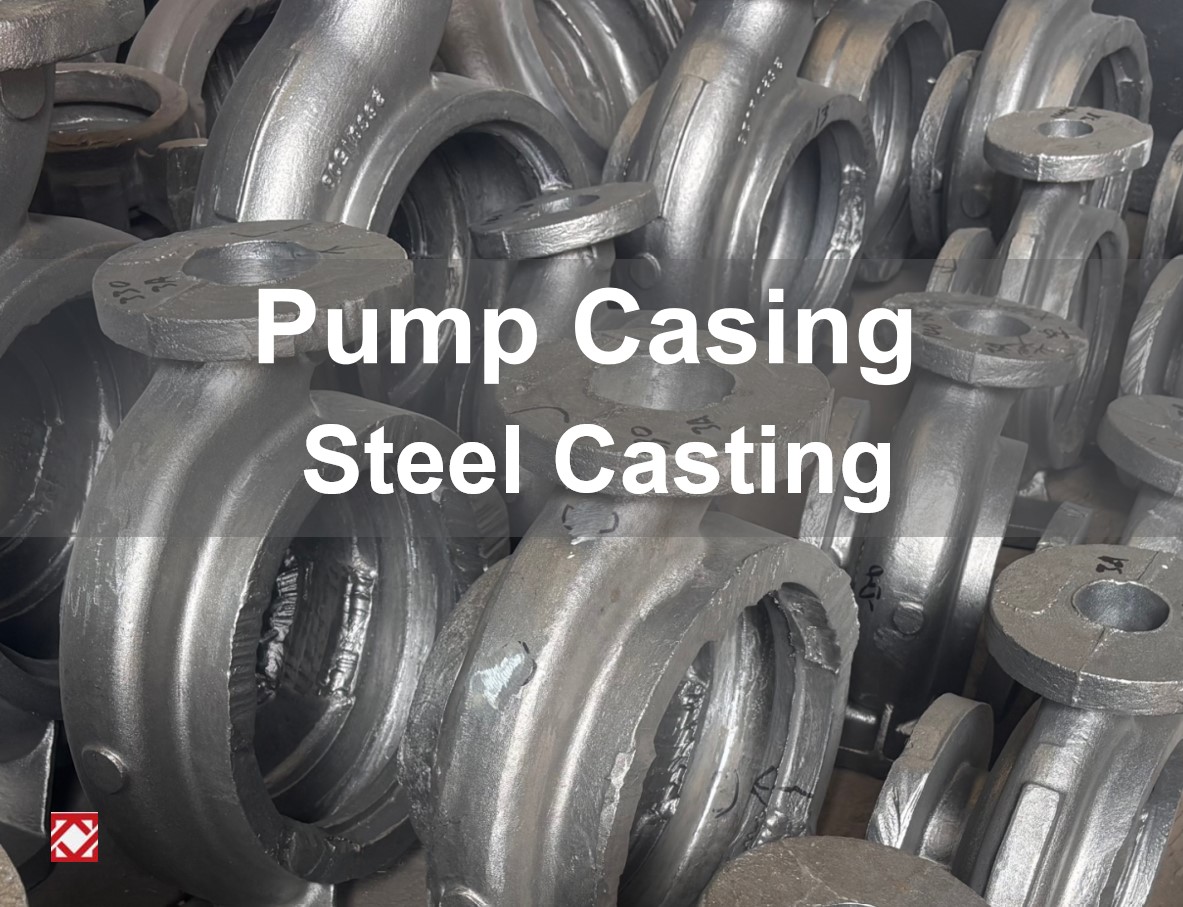
    In industries such as fine chemicals and petrochemicals, chemical pumps are expected to run continuously under high temperature, high pressure, and highly corrosive conditions. When leakage, casing cracks, or repeated failures occur, many users choose to replace the entire pump. In reality, the pump casing is often the key factor that determines both corrosion resistance and the overall service life of a chemical pump.
  • From Chemical Processing to Mining: Centrifugal Pump Casing Design Considerations
    02-09/2026
    The pump casing is one of the most critical components of a centrifugal pump. It supports the impeller and guides the fluid from the suction chamber to the pressure chamber, enabling the conversion of kinetic energy into pressure energy. A well-designed casing directly affects pump efficiency, energy consumption, service life, and maintenance costs.
  • Why Do Stainless Steel Pump Casings Have Such Different Service Lives?
    02-09/2026
    In real purchasing and operating scenarios, many users notice the same issue: pump casings that are all labeled as “stainless steel” can perform very differently under similar operating conditions. Some run reliably for years, while others show corrosion, wear, or even cracking much earlier than expected.
  • Key Issues 90% of Buyers Overlook When Choosing a Chemical Pump Casing
    02-07/2026
    In chemical production, pumps are essential for continuous material transfer. As a core component, the pump casing plays a critical role in overall pump performance and service life. However, more than 90% of buyers focus mainly on price, delivery time, and model compatibility when selecting a chemical pump casing​—while overlooking several critical factors that can directly impact long-term operation and reliability.