Get the latest price? We will reply as soon as possible (within 12 hours)

News

  • Application of Stainless Steel Pump Cover in Sterile Fluid Transfer for Bioprocessing
    01-06/2026
    In bioprocessing applications requiring strict sterility and stable flow control, Jiachuang’s wear-resistant sand casting pump covers made from stainless steel and cast steel offer a dependable solution. With high strength, corrosion resistance, and reliable sealing, they support continuous operation, withstand pressure fluctuations, and meet CIP/SIP requirements, making them suitable for fermentation, pharmaceutical intermediates, and other sensitive bioprocess fluid transfers.
  • Advantages of Casting Pump Body in Fine Chemical Applications
    01-04/2026
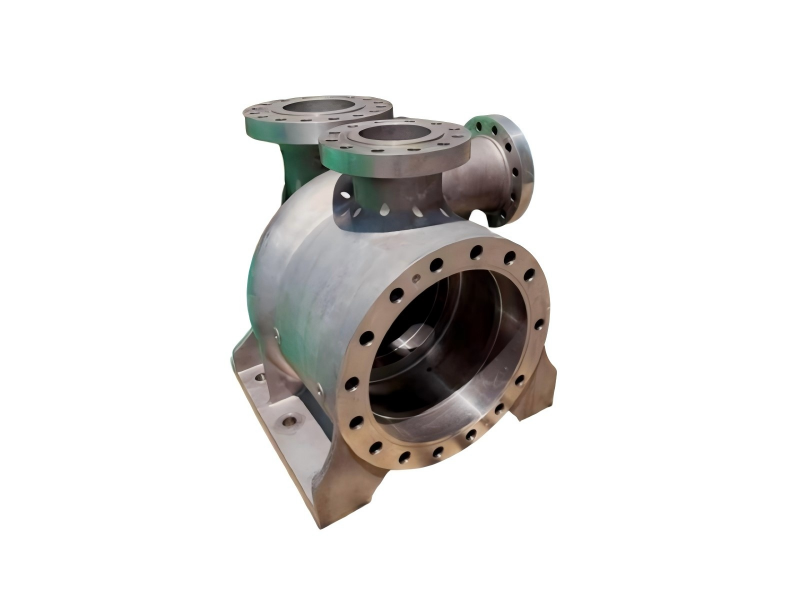
    Cast steel sand casting pump bodies are ideal for fine chemical fluid transfer, where corrosive media, high purity requirements, and long-term continuous operation are critical. Compared with cast iron or non-metallic materials, they offer higher structural strength, better impact resistance, and stronger adaptability to acidic and alkaline media through flexible alloy selection. With stable performance under high pressure and heavy loads, these pump bodies help extend service life, reduce maintenance, and ensure safe, reliable operation across fine chemical, petroleum, metallurgical, and power industry applications.
  • Which Material Is Best Suited for Manufacturing Impellers?
    12-29/2025
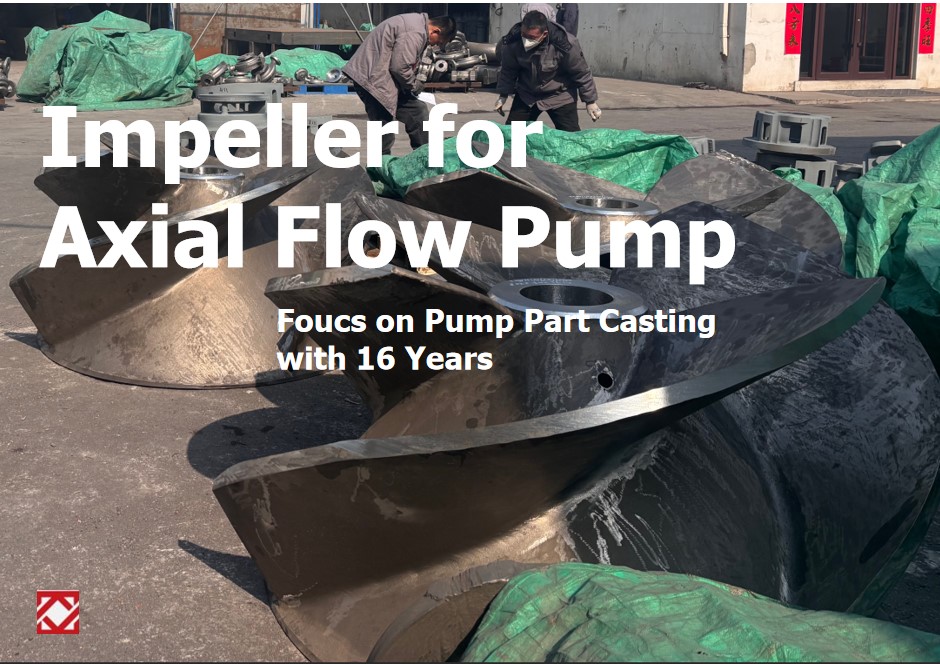
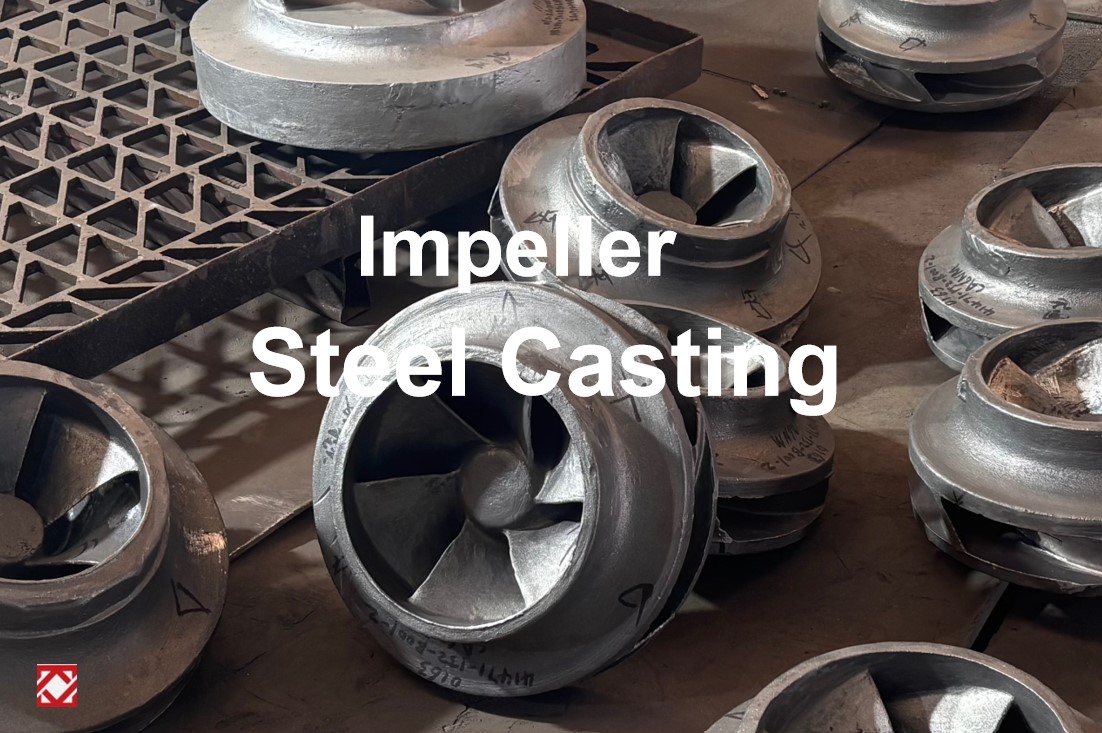
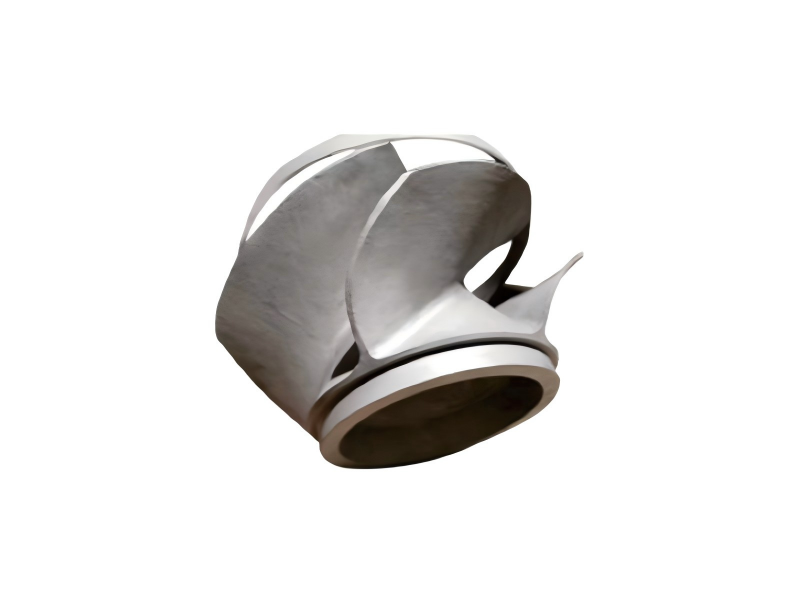
    What are the common materials for Casting impeller? Based on the actual application and operating conditions, the common materials for impellers mainly include
  • Season Greetings
    12-23/2025
    Jiachuang Metals enclosed best wishes for Christmas day and new year.
  • The Most Efficient Type of Impeller
    12-22/2025
    For clean liquids, the Closed Impeller is the undisputed king of hydraulic efficiency. However, efficiency is context-dependent. Discover why specific speed, clearance, and fluid type determine your system's true energy performance.
  • What Is the Process of Pump Casing Casting?
    12-16/2025
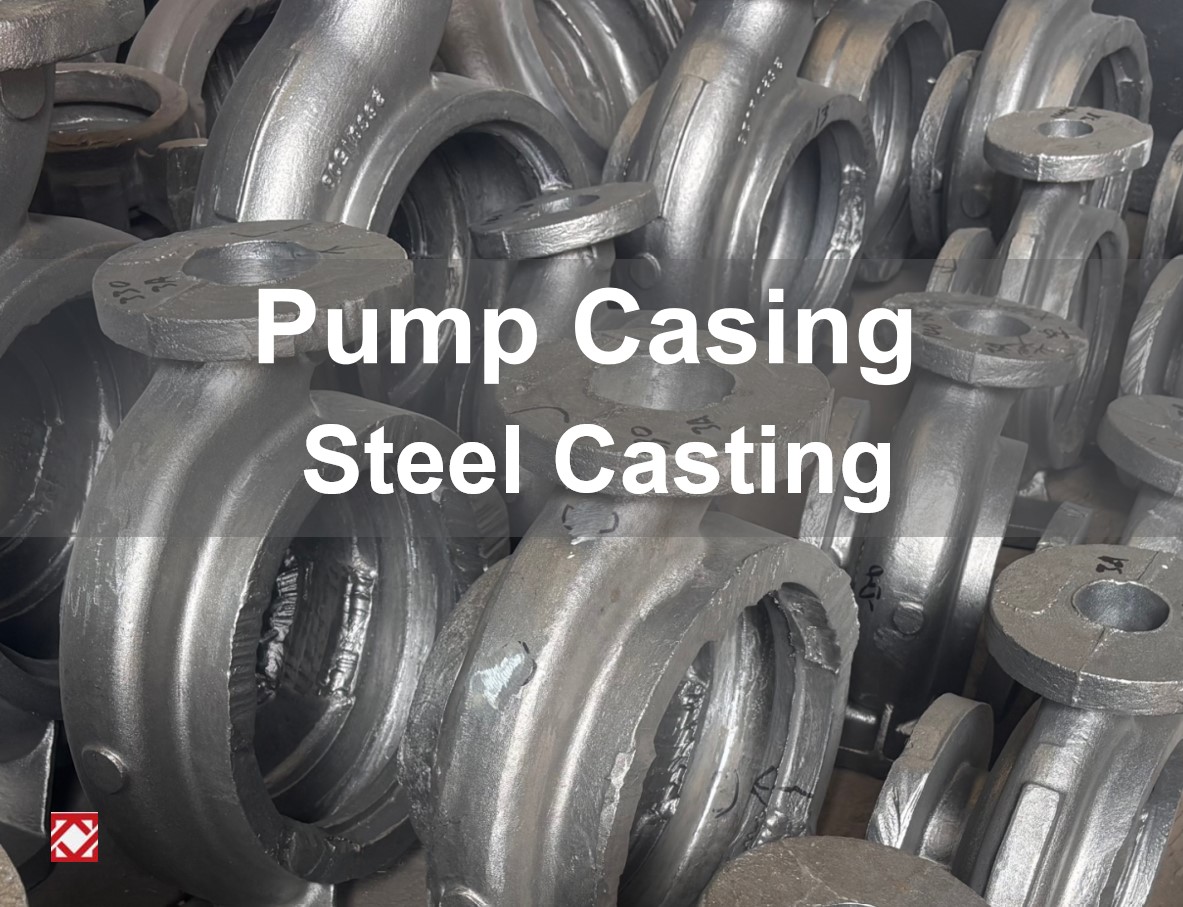
    • Process analysis: Our engineers will analyze the structure of the pump casing based on the drawings to determine the parting surface (the location where the mold opens), the gating system (the channel through which the molten metal flows), and the risers (used for feeding and preventing shrinkage cavities). • Pattern making: A "pattern" of the casting pump casing is made according to the design. The material is usually wood (for single pieces or small batches), resin, or metal (aluminum/steel, for large batches). • Core box making: The inside of the casting pump casing is hollow and has a complex shape (such as the impeller chamber and inlet/outlet flow channels), making direct demolding impossible. Therefore, sand cores must be made. The core box is the mold used to make these sand cores.
  • Analysis of process evolution and quality control of cast pump housing
    11-20/2025
    As the core pressure-bearing component of pump systems, the casting quality of pump casings directly determines operational stability, service life, and safety performance. Across industrial applications—from centrifugal pumps for agricultural irrigation to corrosion-resistant pumps in chemical plants, and high-temperature/high-pressure pumps in power systems—these cast casings play an indispensable role. High-quality casings effectively withstand medium pressure and resist corrosion, ensuring smooth fluid flow. Conversely, substandard casings may develop leaks or cracks, potentially causing equipment failures or even safety incidents. Therefore, in-depth research into material selection, process optimization, quality control, and technological innovation for pump casings is crucial for enhancing the overall performance of pump systems.
  • What is the Casing of a Pump Called?
  • Causes and improvement measures of casting cracks in multi-stage pump bodies: Structural perspective and process analysis 
    11-12/2025
    Abstract: This paper focuses on the locations, causes, and improvement measures of cracks that are prone to occur in the pump body of multi-stage pumps during sand casting. Starting from the structure of the multi-stage pump body and combining with the key processes of sand casting, a systematic analysis is conducted. The study indicates that the flange connection area of the multi-stage pump body, the root of the blades, and the areas with sudden changes in wall thickness are the high-risk points for cracks. The main reasons are structural stress concentration, improper casting process control, and the characteristics of stainless steel material. The main text deeply explores the influence mechanism of each process on casting defects (such as cracks), and proposes targeted optimization solutions, including improving the structural design, enhancing the strength of the sand mold, and controlling the pouring parameters. The full text emphasizes reducing the occurrence rate of cracks in the casting pump body through refined operation management and improving the reliability and production efficiency of the stainless steel multi-stage pump body.
  • Patents Empower Sand Casting! Jiachuang Metal Overcomes Manufacturing Challenges of OH Pump Steel Casting Impellers
    11-06/2025
    Recently, Dalian Jiachuang Metal Manufacturing Co., Ltd. (hereinafter referred to as "Jiachuang Metal") has achieved a major technological breakthrough in the field of sand casting. Its independently developed patent technology has successfully solved the manufacturing challenges of OH pump steel casting impellers. According to third-party testing, the comprehensive qualification rate of impellers has increased from the industry average of 85% to 99%, and the production cycle has been shortened by 40%. This achievement not only fills the technical gap in high-end pump castings in Northeast China but also marks the innovative strength of local small and medium-sized enterprises in industrial upgrading.